How Disability Inclusion Programs Are Making Communities Better
June 20, 2026How Urban Farming Is Feeding Cities and Building Resilience
June 20, 2026
INTRODUCTION
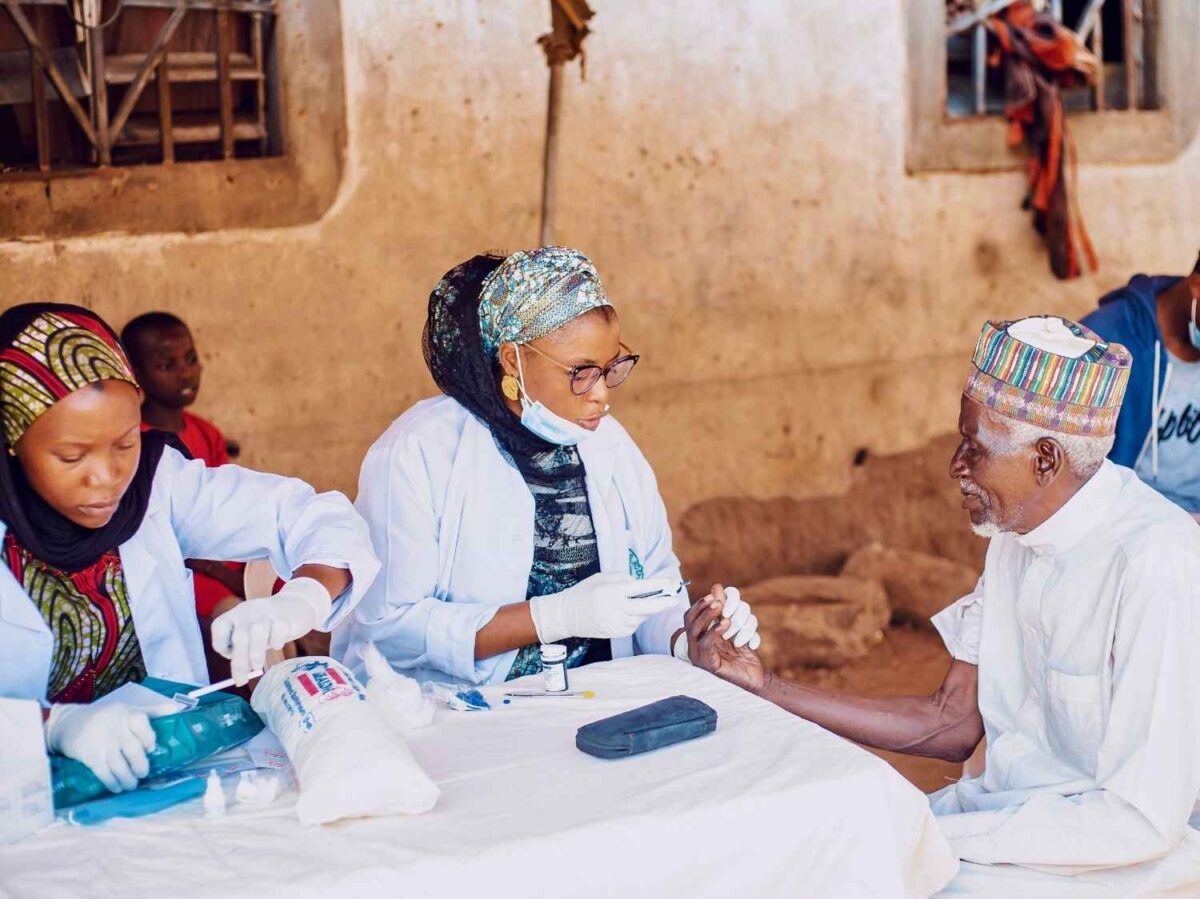
Community health workers are rising as essential frontline supporters in rural areas where access to professional healthcare is often limited. These local individuals are trained to provide basic health services, education, and support, bridging the gap between communities and formal health systems.
This article explores how community health workers are improving health outcomes in underserved and rural regions.
BRINGING HEALTHCARE CLOSER TO PEOPLE
In many rural communities, hospitals and clinics are located far away, and transportation can be expensive or difficult. Community health workers help solve this problem by living within or near the communities they serve.
This proximity allows them to provide:
- Basic health advice and care
- Home visits for patients
- Follow-up support after treatment
- Assistance for mothers, children, and elderly people
Their presence reduces delays in accessing healthcare and ensures that more people receive timely support.
BUILDING TRUST AND CULTURAL UNDERSTANDING
One of the strongest advantages of community health workers is trust. Because they are usually members of the same community, they share the language, culture, and lived experiences of the people they serve.
This makes it easier for them to:
- Communicate health information clearly
- Address local beliefs and misconceptions
- Encourage positive health behaviours
- Build long-term relationships with families
Trust is a critical factor in improving healthcare acceptance and outcomes.
SUPPORTING PREVENTION AND EARLY INTERVENTION
Community health workers play a vital role in preventing diseases and identifying health issues early. Their work includes:
- Health education and awareness
- Vaccination campaigns
- Nutrition guidance
- Hygiene promotion
- Maternal and child health support
- Monitoring chronic illnesses
By focusing on prevention, they reduce the pressure on hospitals and improve long-term community health outcomes.
CONCLUSION — FORWARD-LOOKING INSIGHT
Community health workers are rising because they provide accessible, trusted, and culturally appropriate care in rural areas. By bringing health services closer to people and focusing on prevention and education, they improve health outcomes and strengthen community resilience.
This community-driven model shows that effective healthcare does not always depend on large hospitals or advanced facilities — it can begin with trained and dedicated local workers.
As more communities invest in community health workers, they are building healthier, more self-reliant rural populations.
