The Rise of Community Health Workers in Rural Areas
June 20, 2026Why Neighbourhood Clean-Up Campaigns Matter More Than Ever
June 20, 2026
INTRODUCTION
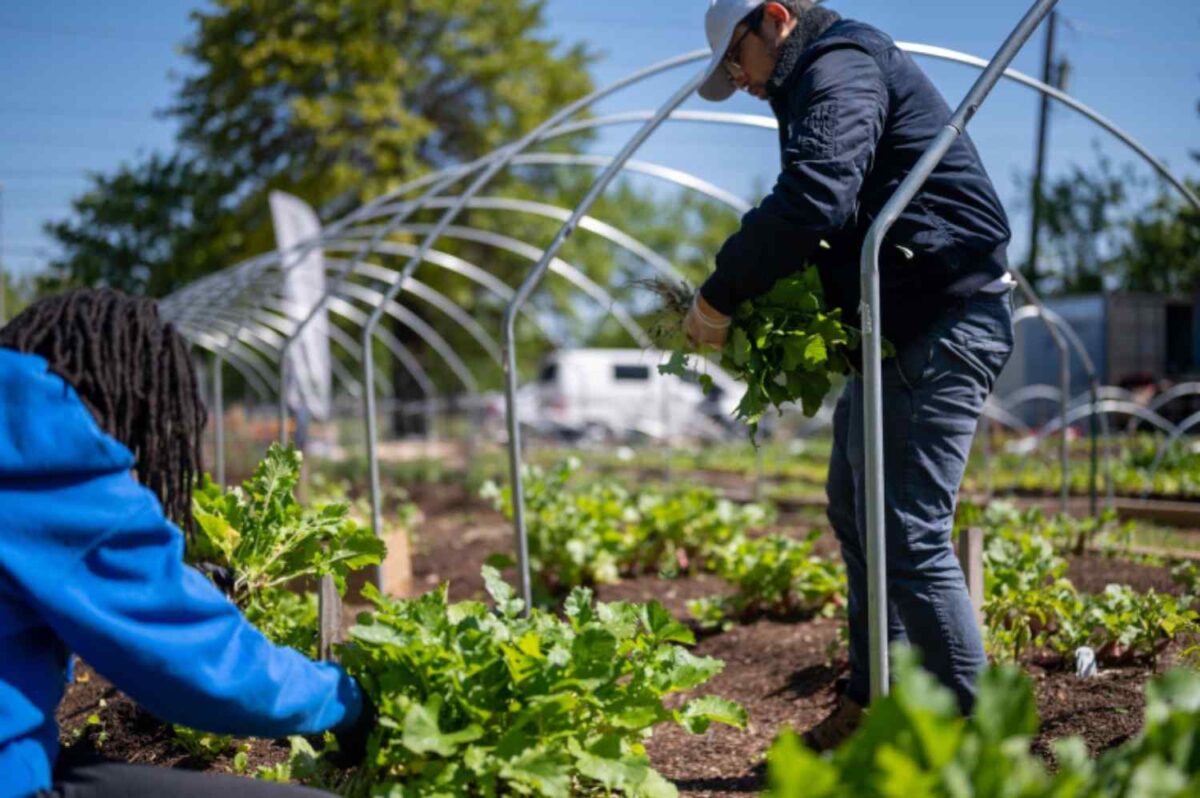
Urban farming is feeding cities and building resilience by turning rooftops, vacant lots, and small spaces into productive food-growing areas. As cities expand and face challenges such as food insecurity and climate change, urban agriculture provides practical solutions that bring food production closer to where people live.
This article explores how urban farming is helping cities become more self-sufficient, sustainable, and resilient.
IMPROVING ACCESS TO FRESH FOOD
In many urban areas, especially low-income communities, access to fresh and affordable food is limited. Urban farming helps address this challenge by producing food locally.
Urban farms and gardens grow:
- Vegetables
- Fruits
- Herbs
- Leafy greens
This local production reduces transportation costs and improves access to nutritious food. In many cases, surplus produce is donated to food banks or sold at affordable community prices.
ENVIRONMENTAL AND ECONOMIC BENEFITS
Urban farming offers significant environmental advantages, including:
- Reduced carbon emissions from food transportation
- Improved air quality
- Better stormwater management
- Increased urban green spaces
It also supports economic development by:
- Creating jobs in local communities
- Supporting small-scale entrepreneurs
- Encouraging local food markets
- Keeping money circulating within the community
Many urban farms also adopt sustainable practices such as composting, vertical farming, and rainwater harvesting to maximize efficiency.
BUILDING COMMUNITY RESILIENCE
Urban farming strengthens communities by encouraging collaboration and shared responsibility. People work together to grow food, share knowledge, and support local food systems.
It also improves food security by reducing dependence on long supply chains. During crises such as inflation, supply disruptions, or natural disasters, communities with active urban farms are often more stable and self-reliant.
CONCLUSION — FORWARD-LOOKING INSIGHT
Urban farming is feeding cities and building resilience by bringing food production closer to urban populations. It improves access to fresh food, reduces environmental impact, creates economic opportunities, and strengthens community bonds.
This citizen-led approach shows that cities can become more self-reliant and sustainable through creative use of available space.
As more urban farming initiatives grow, they are helping to build healthier, greener, and more resilient cities for the future.
