How Grassroots Sports Programs Are Changing Young Lives
June 21, 2026How Intergenerational Programs Are Connecting Communities
June 22, 2026
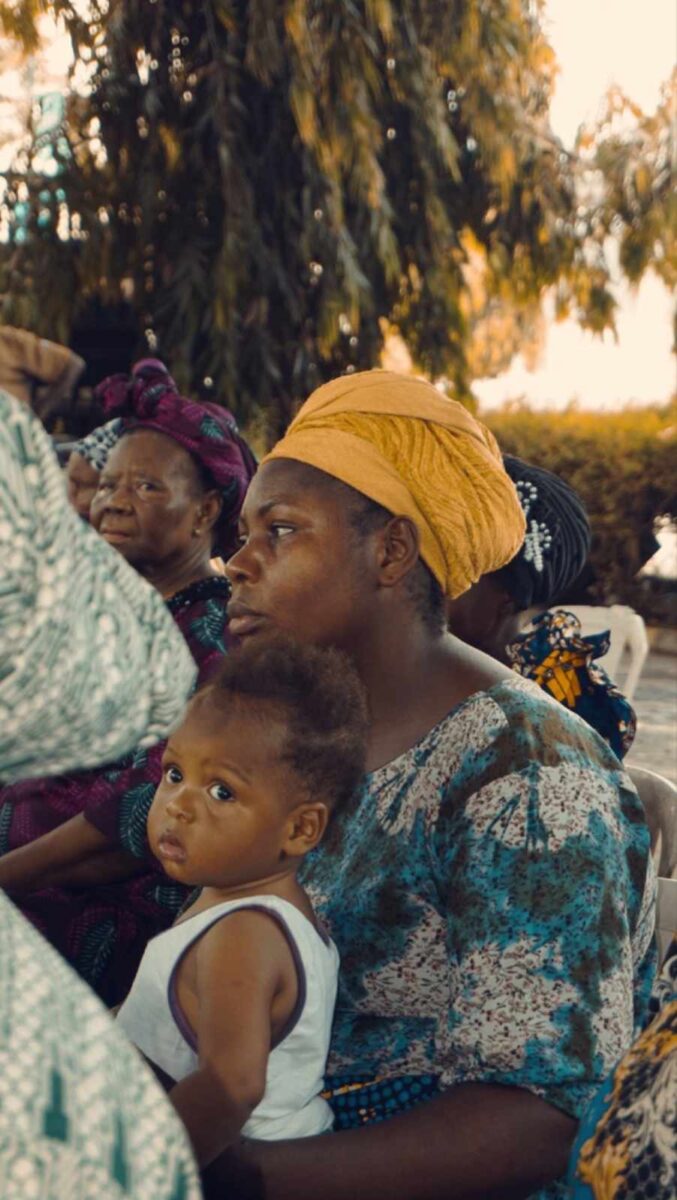
INTRODUCTION
Community mothers are playing an increasingly important role in health education by using their experience, trust, and local knowledge to support families. These respected women often serve as informal educators and advocates, helping neighbours adopt healthier practices around nutrition, hygiene, maternal care, and child wellbeing.
This article explores how community mothers are contributing to improved health awareness and stronger community wellbeing.
LEVERAGING TRUST AND LOCAL KNOWLEDGE
Community mothers are typically long-term residents who are deeply trusted within their neighbourhoods. Because they understand local customs, beliefs, and challenges, they are able to communicate health information in ways that are relatable and easy to accept.
Their strengths include:
- Strong community trust
- Deep cultural understanding
- Familiar communication style
- High acceptance of their guidance
This trust makes them highly effective informal health educators.
SUPPORTING FAMILIES WITH PRACTICAL GUIDANCE
Community mothers provide hands-on support and practical education in key areas of family health, including:
- Nutrition and balanced diets
- Breastfeeding practices
- Hygiene and sanitation
- Immunisation awareness
- Early childhood development
They often support families through:
- Home visits
- Small group discussions
- Informal counselling sessions
Their guidance helps families adopt healthier daily habits in a practical and sustainable way.
STRENGTHENING COMMUNITY HEALTH SYSTEMS
Community mothers act as a bridge between formal healthcare systems and local communities. They help ensure that health information and services reach people who may otherwise be excluded.
Their roles often include:
- Identifying local health challenges
- Encouraging families to seek professional care
- Following up on health interventions
- Referring serious cases to health facilities
They also advocate for improved health services and better support within their communities.
CONCLUSION — FORWARD-LOOKING INSIGHT
Community mothers are playing a growing role in health education by combining lived experience with trusted community relationships. Their involvement improves health knowledge, behaviours, and outcomes, especially in areas with limited access to formal healthcare services.
This citizen-driven model shows that empowering local women as health educators creates sustainable and culturally appropriate improvements in community wellbeing.
As more communities recognize and support the role of community mothers, they are strengthening the foundation for healthier families and more resilient societies.
