Why Neighbourhood Clean-Up Campaigns Matter More Than Ever
June 20, 2026The Growing Role of Community Mothers in Health Education
June 22, 2026
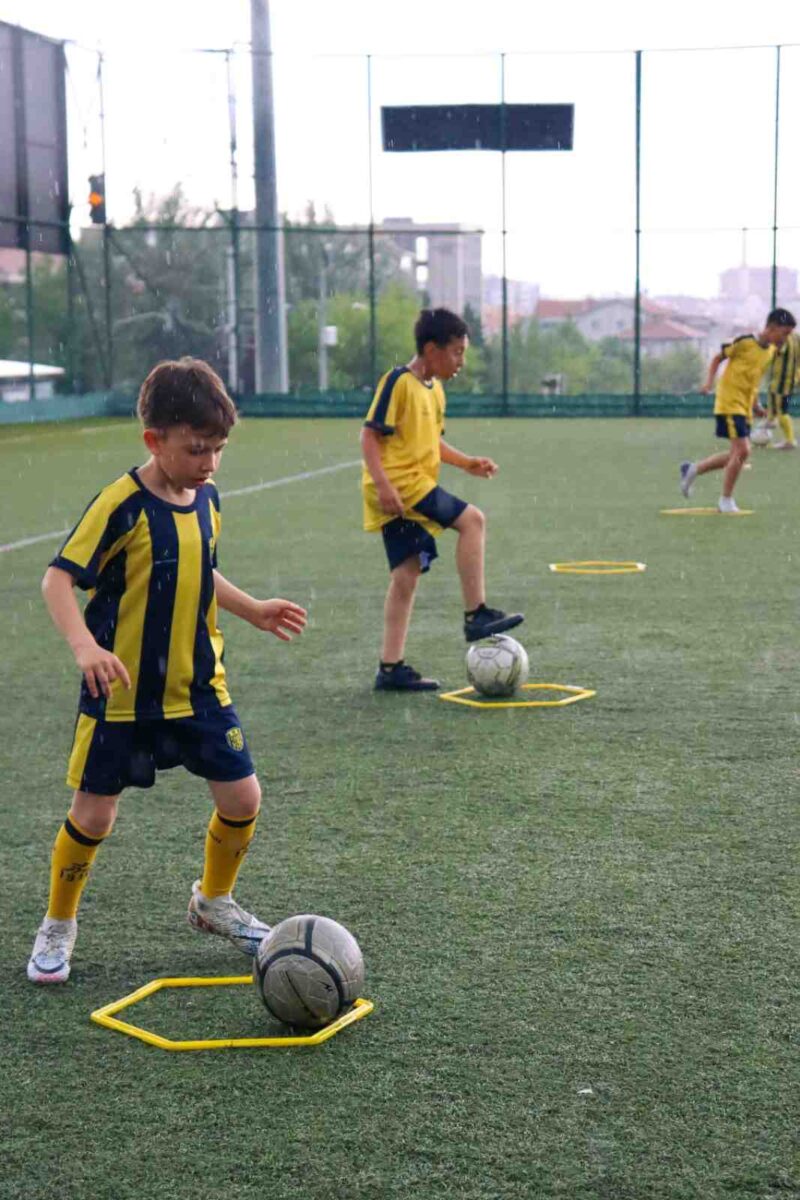
Sports have long been recognised as a source of entertainment and physical fitness, but at the grassroots level, they are doing something even more remarkable—they are changing lives. Across communities worldwide, grassroots sports programs are providing young people with opportunities to learn, grow, and develop essential life skills that extend far beyond the playing field.
These community-based initiatives offer safe environments where children and teenagers can stay active, build meaningful relationships, and discover their potential. In many neighbourhoods, grassroots sports programs serve as powerful tools for youth development, social inclusion, and community transformation.
Building Discipline and Teamwork
One of the most important lessons young people learn through sports is discipline.
Participating in regular training sessions requires commitment, punctuality, and consistency. Young athletes quickly realise that improvement comes through hard work, dedication, and perseverance. These habits often carry over into other aspects of life, including education, family responsibilities, and future careers.
Team sports, in particular, teach the importance of cooperation and communication. Players learn to trust one another, work toward shared goals, and understand that success is rarely achieved alone. They also develop leadership skills by supporting teammates, making decisions under pressure, and taking responsibility for their actions.
These experiences help shape confident, responsible, and resilient individuals.
Providing Positive Role Models and Mentorship
Coaches in grassroots sports programs often become much more than instructors. They frequently serve as mentors, advisers, and trusted role models who provide guidance and encouragement.
Many young people face challenges such as family difficulties, peer pressure, or limited opportunities. Having supportive adults who believe in their potential can make a profound difference in their lives.
Through sports, coaches teach values such as respect, integrity, perseverance, and self-discipline. They encourage young people to believe in themselves, set goals, and overcome obstacles. These mentoring relationships often leave lasting impressions that continue to influence participants long after they leave the sports program.
Keeping Youth Engaged and Safe
In communities where recreational opportunities are limited, young people may struggle to find constructive ways to spend their time. Grassroots sports programs provide healthy alternatives by offering structured activities that keep youth engaged and motivated.
Regular practices, competitions, and team events create routines that encourage positive behaviour and reduce idle time. By participating in sports, many young people avoid situations that could expose them to risky behaviours or negative influences.
Sports programs also provide safe spaces where young people can socialise, build friendships, and develop a sense of belonging. These supportive environments contribute to emotional wellbeing and foster stronger connections within communities.
Promoting Physical and Mental Wellbeing
The physical benefits of sports participation are widely recognised. Regular exercise improves fitness, strengthens muscles and bones, and promotes healthier lifestyles.
Equally important are the mental and emotional benefits. Sports help young people manage stress, improve concentration, and develop emotional resilience. The challenges of training and competition teach participants how to cope with disappointment, handle pressure, and maintain a positive attitude in difficult situations.
Achieving personal goals and contributing to team success also builds confidence and self-esteem. These qualities are essential for healthy development and future success.
Creating Pathways to Opportunity
Grassroots sports programs often open doors that young people might not otherwise have access to.
Talented athletes may earn opportunities to participate in advanced training programs, secure scholarships, or pursue professional careers in sports. Even for those who do not become professional athletes, participation in sports develops valuable skills that are highly beneficial in education and employment.
Employers and educational institutions frequently value qualities such as teamwork, leadership, commitment, and problem-solving—all skills that are cultivated through sports participation.
For many young people, grassroots sports become a source of inspiration and achievement, giving them confidence to pursue ambitions both inside and outside athletics.
Strengthening Communities Through Sports
Grassroots sports programs do not only benefit individual participants; they also strengthen entire communities.
Sports bring families, coaches, volunteers, and community leaders together around a shared purpose—supporting the growth and development of young people. Matches and tournaments create opportunities for community interaction, celebration, and collaboration.
When communities invest in youth sports, they are investing in future generations of leaders, professionals, and active citizens. The positive values learned through sports often contribute to stronger social relationships and more resilient communities.
Looking Ahead
As communities continue to face social and economic challenges, grassroots sports programs are becoming increasingly important. Their ability to combine physical activity with education, mentorship, and personal development makes them powerful instruments for positive social change.
Expanding access to community sports initiatives can help ensure that more young people have opportunities to learn valuable life skills, build positive relationships, and realise their potential.
The future of many communities may depend not only on educational and economic opportunities but also on the availability of supportive environments where young people can grow, belong, and thrive.
Conclusion
Grassroots sports programs are changing young lives by combining physical activity with personal development and community support. These initiatives help young people build discipline, develop leadership skills, form positive relationships, and remain engaged in constructive activities.
They demonstrate that sports can be far more than games or competitions—they can be powerful platforms for education, mentorship, and transformation.
As more communities invest in grassroots sports programs, they are creating stronger, healthier, and more hopeful generations. By empowering young people today, these initiatives are helping shape the leaders and changemakers of tomorrow.
Follow CitizenPulseMedia.com for more stories and insights on youth development, community initiatives, and citizen-driven solutions creating positive change around the world.
