The Impact of Free Public Libraries on Communities
June 20, 2026The Rise of Community Health Workers in Rural Areas
June 20, 2026
Introduction
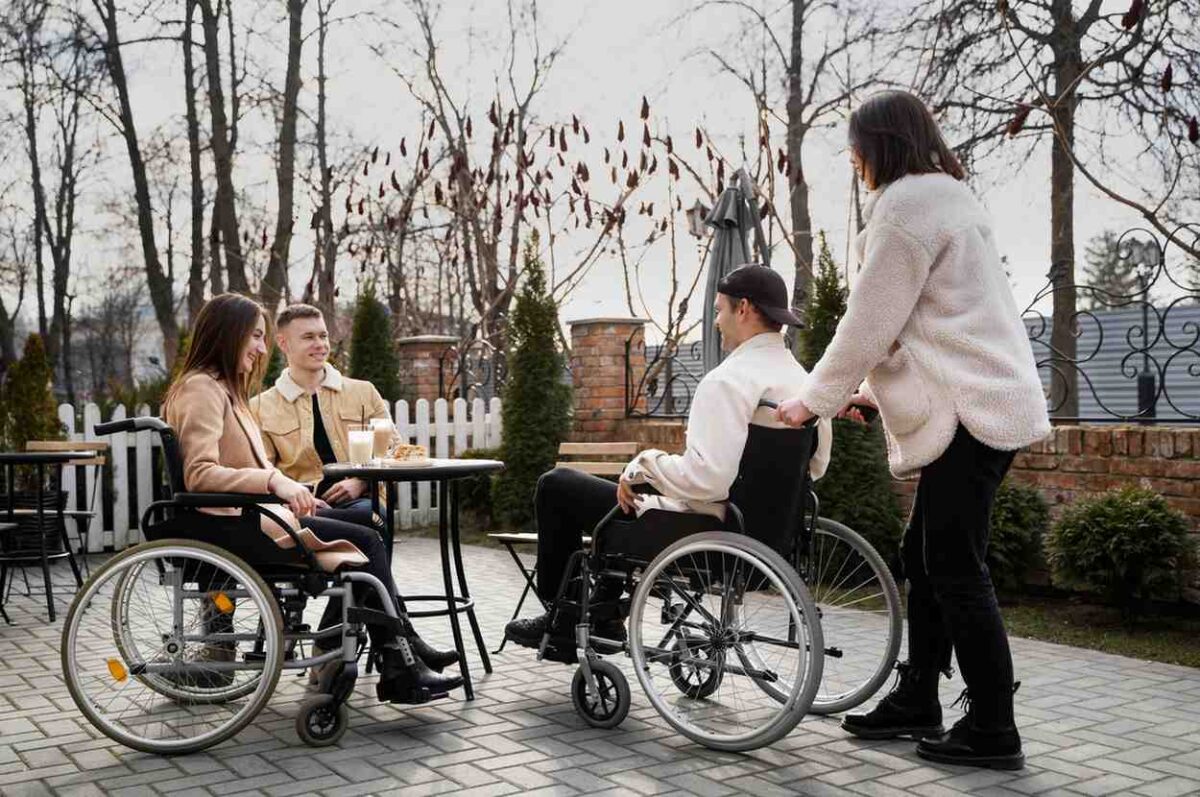
Disability inclusion programs are making communities better by ensuring that people with disabilities can participate fully in social, economic, and civic life. These initiatives go beyond physical accessibility — they promote respect, equal opportunity, and the recognition that diversity strengthens communities.
This article explores how disability inclusion programs are helping to build more inclusive, fair, and vibrant communities.
Creating Accessible Environments
Many communities still have barriers that prevent people with disabilities from moving freely or accessing essential services. Disability inclusion programs help to remove these barriers by improving:
- Public infrastructure
- Transportation systems
- Public buildings and spaces
- Access to information and services
When environments are designed with accessibility in mind, they benefit everyone — including elderly people, parents with strollers, and individuals with temporary injuries.
Accessibility is not optional; it is a foundation for equal participation in society.
Promoting Equal Participation
Disability inclusion programs encourage people with disabilities to take part in:
- Education
- Employment
- Sports and recreation
- Arts and culture
- Civic and political decision-making
This participation strengthens communities by introducing diverse perspectives, creativity, and problem-solving approaches.
When everyone is given equal opportunity to contribute, communities become more innovative, balanced, and socially inclusive.
Building Awareness and Respect
A major goal of disability inclusion programs is to change how society perceives disability. Through awareness campaigns, education, and community engagement, stigma is reduced and understanding increases.
Instead of focusing on limitations, communities begin to recognize abilities, strengths, and contributions.
Organizations such as UNESCO support inclusive education and accessibility worldwide, while the World Economic Forum highlights how disability inclusion contributes to stronger economies and more resilient societies.
The Broader Impact on Communities
Disability inclusion does not only benefit individuals with disabilities — it improves society as a whole.
Inclusive communities experience:
- Stronger social cohesion
- Improved public services
- Increased innovation
- Greater equality and fairness
- Higher civic participation
When inclusion becomes a shared value, communities naturally become more supportive and sustainable.
Conclusion
Disability inclusion programs are making communities better by removing barriers and embracing diversity. When people with disabilities are fully included, communities gain strength, creativity, and resilience.
True development happens when no one is left behind. As more societies prioritize inclusion, they move closer to building fairer, more united, and more progressive communities.
