How Mentorship Programs Are Shaping the Next Generation
June 20, 2026How Disability Inclusion Programs Are Making Communities Better
June 20, 2026
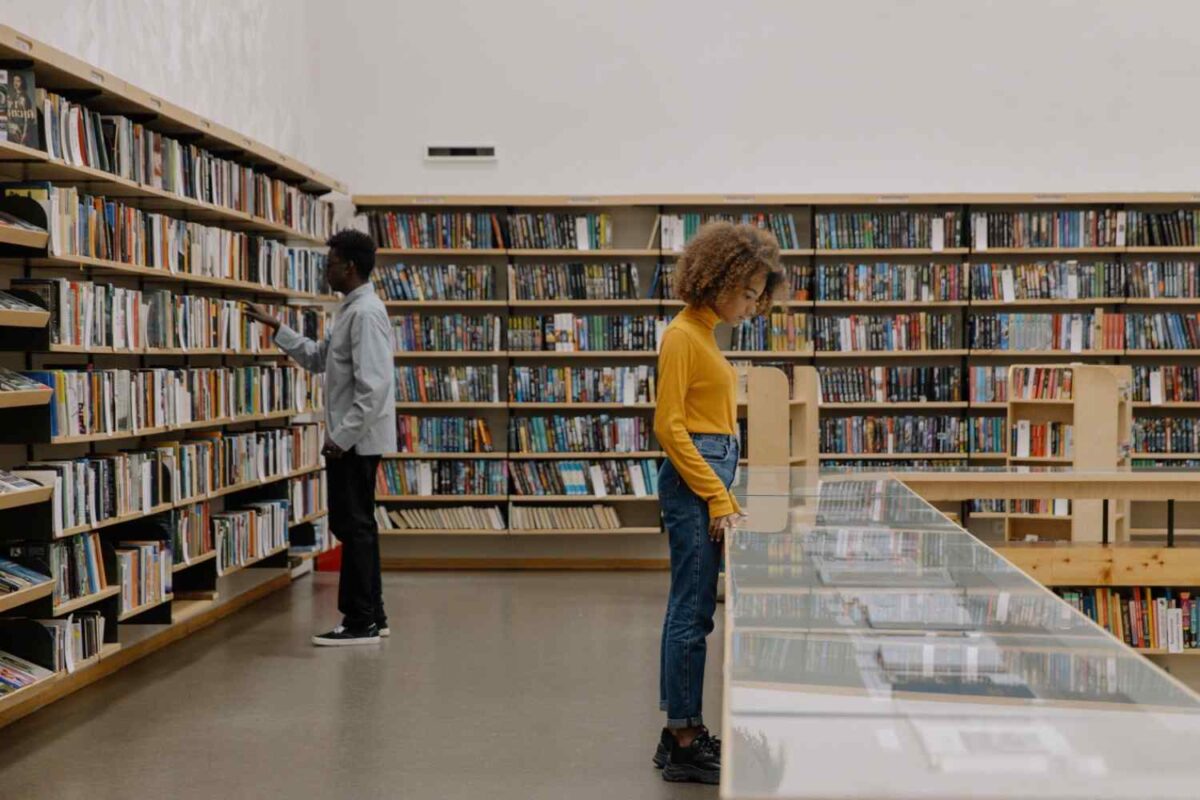
Free public libraries continue to be among the most valuable institutions in communities around the world. By providing open access to books, information, technology, and educational opportunities, libraries help create more informed, skilled, and connected societies.
In an age where information has become one of the world’s most important resources, public libraries play a critical role in ensuring that knowledge is available to everyone, regardless of income, age, or background. They are more than places to borrow books—they are centres of learning, inclusion, and community development.
Providing Access to Knowledge and Learning
One of the greatest strengths of public libraries is their commitment to making knowledge accessible to all.
Libraries provide free access to books, newspapers, magazines, research materials, and digital resources that many people might otherwise be unable to afford. For students, libraries offer essential educational support. For job seekers, they provide valuable information and learning resources. For lifelong learners, they create opportunities to continue exploring new ideas and skills.
Modern libraries also organise educational programmes, literacy classes, workshops, and training sessions that help community members develop practical knowledge in areas such as technology, financial literacy, entrepreneurship, and personal development.
By removing barriers to information, libraries help create more equitable learning opportunities.
Creating Safe and Inclusive Spaces
Public libraries are among the few places in society where people can gather without needing to spend money.
They serve as welcoming and neutral spaces where individuals can study, work, read, conduct research, or simply enjoy a quiet environment. For many children and young people who may not have suitable study spaces at home, libraries provide an important environment for learning and concentration.
Libraries are equally valuable for senior citizens, parents, and individuals seeking community connection. They often become places where people from different backgrounds interact peacefully and share experiences.
This openness and inclusivity help strengthen social cohesion and foster a sense of belonging within communities.
Supporting Economic Development
The impact of public libraries extends beyond education and recreation.
Many libraries provide internet access, computers, and career development resources that are essential in today’s digital economy. Job seekers use library facilities to search for employment opportunities, create resumes, complete applications, and acquire new skills.
Libraries also support entrepreneurs and small business owners by providing access to market research materials, business information, and meeting spaces. In many cases, they become important centres for innovation and economic activity.
By equipping individuals with knowledge and resources, libraries contribute directly to workforce development and economic growth.
Promoting Digital Inclusion
In the modern world, digital access is increasingly important for education, employment, and civic participation.
However, many people still face barriers to accessing computers and the internet. Public libraries help bridge this digital divide by offering free internet services, computer access, and digital skills training.
For students completing assignments, professionals pursuing online learning, and individuals accessing government services, libraries provide essential digital resources that improve opportunities and reduce inequalities.
Digital inclusion has become one of the most significant contributions of modern public libraries.
Encouraging Community Engagement
Libraries are more than repositories of information—they are centres of community life.
Many public libraries host book clubs, storytelling sessions, cultural exhibitions, workshops, educational seminars, and community meetings. These activities bring people together and encourage meaningful interactions among residents.
Such programmes strengthen relationships, promote cultural understanding, and create opportunities for collaboration and civic participation.
In this way, libraries help build stronger, more connected communities.
Supporting Lifelong Learning
Learning does not end after formal education, and libraries recognise this reality.
People of all ages use public libraries to acquire new knowledge, improve professional skills, pursue personal interests, and explore new opportunities. Whether someone wants to learn a language, improve computer skills, study history, or discover a new hobby, libraries provide resources that make lifelong learning possible.
By encouraging continuous education, libraries help individuals adapt to changing economic and social environments.
Looking Ahead
As societies become increasingly knowledge-driven and digitally connected, the importance of public libraries continues to grow.
Many libraries are evolving into modern community hubs that combine traditional resources with digital technologies and innovative services. They are expanding their roles as centres for education, creativity, and social engagement.
However, their core mission remains unchanged: to ensure that everyone has equal access to information, opportunities, and learning.
Communities that invest in public libraries are investing in human potential and long-term development.
Conclusion
Free public libraries are making a powerful impact on communities by democratising access to knowledge and creating inclusive spaces where people can learn, connect, and grow.
They support education, improve economic opportunities, promote digital inclusion, and strengthen social relationships. More importantly, they remind us that access to information should not depend on income or circumstance.
As communities continue to value and support public libraries, they are building more informed, capable, and connected societies where everyone has the opportunity to learn and succeed.
