How Urban Farming Is Feeding Cities and Building Resilience
June 20, 2026How Grassroots Sports Programs Are Changing Young Lives
June 21, 2026
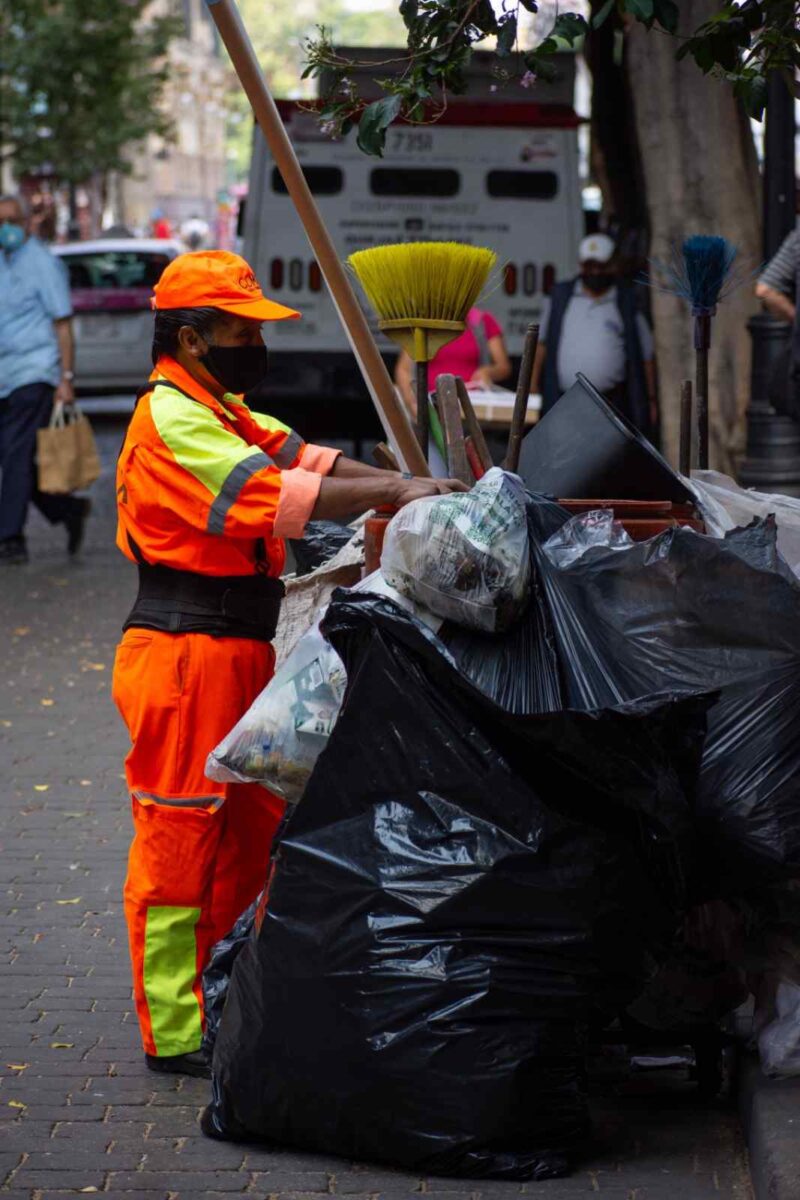
Neighbourhood clean-up campaigns are becoming one of the most effective and visible forms of community action in modern society. Across cities and towns, residents are stepping out of their homes to collectively clean streets, parks, drainage systems, and public spaces. These efforts are doing far more than improving appearances—they are reshaping how communities function, interact, and take ownership of their environment.
In a time when urban growth, waste management challenges, and environmental neglect are increasingly common, neighbourhood clean-up campaigns provide a simple but powerful solution: people working together to restore and protect the places they live.
Improving the Physical Environment
One of the most immediate benefits of neighbourhood clean-up campaigns is the transformation of the physical environment.
Littered streets, blocked drains, and abandoned waste sites can quickly make an area feel unsafe, neglected, and unpleasant. When residents come together to clean these spaces, the change is often immediate and striking. Streets become more welcoming, public areas become usable again, and the overall appearance of the neighbourhood improves significantly.
Cleaner environments also encourage healthier behaviours. People are more likely to walk, gather, and participate in outdoor activities when their surroundings are clean and well-maintained. In many cases, visible environmental improvements also discourage further littering, as residents become more conscious of keeping their surroundings tidy.
Building Community Pride and Ownership
Clean-up campaigns play a major role in strengthening community pride.
When people invest time and effort into improving their neighbourhood, they develop a stronger emotional connection to it. This sense of ownership encourages residents to take responsibility for maintaining cleanliness and reporting environmental issues.
Instead of seeing public spaces as “someone else’s responsibility,” residents begin to see them as shared assets that require collective care. This shift in mindset is essential for long-term environmental sustainability.
In many communities, clean-up initiatives often become the starting point for broader development efforts such as tree planting, road repairs, and public space renovations.
Strengthening Social Connections
Neighbourhood clean-up campaigns are also powerful social tools.
They bring together people who might otherwise never interact—families, youth, elders, business owners, and community leaders. Working together toward a shared goal creates opportunities for conversation, teamwork, and mutual understanding.
These interactions help break down social barriers and build trust among residents. Over time, the relationships formed during clean-up activities often extend beyond the event itself, strengthening the overall social fabric of the community.
Many campaigns also include educational discussions about waste management, recycling, and environmental responsibility, further increasing awareness and engagement.
Encouraging Environmental Responsibility
Beyond immediate cleanup efforts, these campaigns help shape long-term environmental behaviour.
When people actively participate in cleaning their environment, they become more aware of the impact of waste and pollution. This awareness often leads to better waste disposal habits and a greater commitment to environmental protection.
Communities that regularly organise clean-up activities tend to develop stronger recycling practices and more sustainable lifestyles. Schools, youth groups, and local organisations often join these efforts, creating a culture of environmental responsibility that spreads across generations.
Enhancing Safety and Wellbeing
Cleaner neighbourhoods are often safer neighbourhoods.
Accumulated waste and neglected areas can contribute to environmental hazards, block drainage systems, and even create spaces for criminal activity. Clean-up campaigns help reduce these risks by restoring order and improving visibility in public spaces.
In addition, cleaner environments contribute to improved mental wellbeing. Residents often feel more relaxed, motivated, and positive when they live in clean, organised surroundings. This has a direct impact on overall community morale and quality of life.
A Catalyst for Broader Community Action
Neighbourhood clean-up campaigns often serve as the first step toward broader community development initiatives.
Once residents experience the benefits of working together, they are more likely to organise additional projects such as community gardens, youth programmes, and infrastructure improvements. Clean-up events build momentum for sustained civic engagement and collective problem-solving.
This ripple effect demonstrates how small, consistent actions can lead to long-term transformation in communities.
Looking Ahead
As urban populations continue to grow, the importance of community-driven environmental action will only increase. While governments and organisations play a key role in waste management, active citizen participation remains essential for maintaining clean and livable neighbourhoods.
Neighbourhood clean-up campaigns represent a practical and accessible way for individuals to make a direct impact. They require minimal resources but deliver significant social, environmental, and psychological benefits.
The future of cleaner cities will depend not only on policy and infrastructure but also on the willingness of residents to take responsibility for their surroundings.
Conclusion
Neighbourhood clean-up campaigns matter more than ever because they combine environmental improvement with community building. When residents come together to clean and care for their shared spaces, they create cleaner environments, stronger social connections, and a greater sense of pride in their neighbourhoods.
These simple but powerful actions demonstrate that meaningful change does not always require large-scale intervention. Sometimes, it begins with neighbours working side by side to improve the world right outside their doors.
As more communities embrace regular clean-up campaigns, they are building cleaner, safer, and more united neighbourhoods for everyone.
