The Impact of Neighbourhood Water Conservation Initiatives on Sustainable Living
July 7, 2026Finding Your Public Voice Online With SINNTS TECH LTD
July 7, 2026
By Saheed Olaide | CitizenPulseMedia.com
Introduction
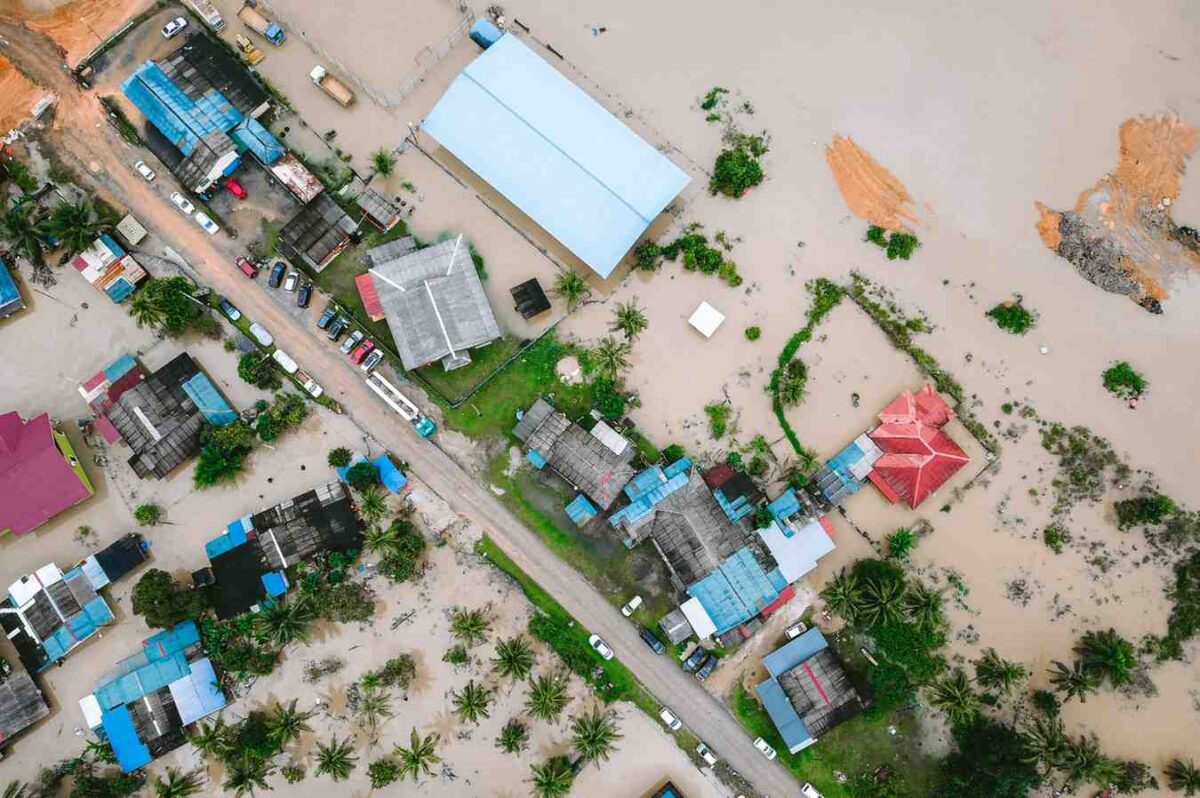
Community resilience hubs are becoming essential spaces where neighbourhoods prepare for climate challenges and other emergencies. As extreme weather events, environmental changes, and unexpected crises become more common, communities need local centres that provide support, resources, and practical solutions.
These hubs help residents work together, strengthen local networks, and improve their ability to respond to challenges before, during, and after emergencies. This article explores why community resilience hubs are important and how they are helping neighbourhoods become more adaptable, connected, and prepared for the future.
What Makes a Community Resilience Hub Effective?
A successful community resilience hub serves as more than just a meeting place. It becomes a central location where people can access information, training, emergency resources, and community support.
Effective resilience hubs often provide:
- Emergency preparedness training.
- Early warning and communication systems.
- Emergency supplies and essential equipment.
- Community meeting spaces.
- Climate adaptation education.
- Volunteer coordination during emergencies.
The greatest strength of these hubs comes from local ownership. When residents actively participate in planning and managing the hub, it reflects the unique needs and priorities of the community instead of relying on one-size-fits-all solutions.
Building Skills That Strengthen Communities
Community resilience hubs equip people with practical skills that improve everyday life and emergency readiness. Training programmes often include:
- Basic first aid.
- Emergency response planning.
- Disaster preparedness.
- Sustainable gardening and local food production.
- Water conservation techniques.
- Energy-saving practices.
These skills help individuals become more confident while reducing the community’s overall vulnerability to future challenges.
Creating Stronger Community Networks
Prepared communities are built on strong relationships. Community resilience hubs encourage neighbours to connect, share knowledge, and support one another before crises occur.
These local networks make it easier to:
- Identify vulnerable residents who may need extra support.
- Coordinate volunteers during emergencies.
- Share resources quickly.
- Exchange useful information.
- Recover faster after disasters.
When trust exists between neighbours, communities become more resilient because people know they can rely on one another when it matters most.
How Communities Can Start a Resilience Hub
Creating a resilience hub does not always require a new building or major funding. Many communities begin by using existing facilities such as schools, libraries, community centres, or places of worship.
To get started:
- Bring together local residents and community leaders.
- Identify the area’s biggest climate and emergency risks.
- Develop emergency communication plans.
- Organise regular preparedness workshops.
- Build partnerships with local authorities and environmental organisations.
- Encourage volunteers to participate in planning and operations.
Even small initiatives can grow into valuable community assets over time.
Looking Ahead
Community resilience hubs are preparing neighbourhoods for future challenges by transforming vulnerability into collective strength. Through shared knowledge, practical training, and trusted local networks, communities become better equipped to respond to climate impacts and other emergencies.
As climate adaptation becomes increasingly important, these citizen-led hubs demonstrate that resilience is not built by individuals alone—it is built by neighbours working together. Strong communities are the foundation of a safer and more sustainable future.
