How to Make Money in the Digital Economy in 2026: A Complete Guide for Beginners in Africa
June 11, 2026The Hidden Crisis of Social Media in 2026: Why Millions of Users Are Losing Trust in Traditional Platforms
June 11, 2026
Introduction
The internet is evolving beyond what most people know today. After Web1 (read-only websites) and Web2 (social media and interactive platforms), the world is now entering a new phase called Web3.
In 2026, Web3 is becoming one of the most discussed topics in technology because it introduces a new way of using the internet—one where users have more control, ownership, and financial participation in digital platforms.
Unlike traditional systems where large companies control data and revenue, Web3 aims to give power back to users through decentralized technology.
What Is Web3?
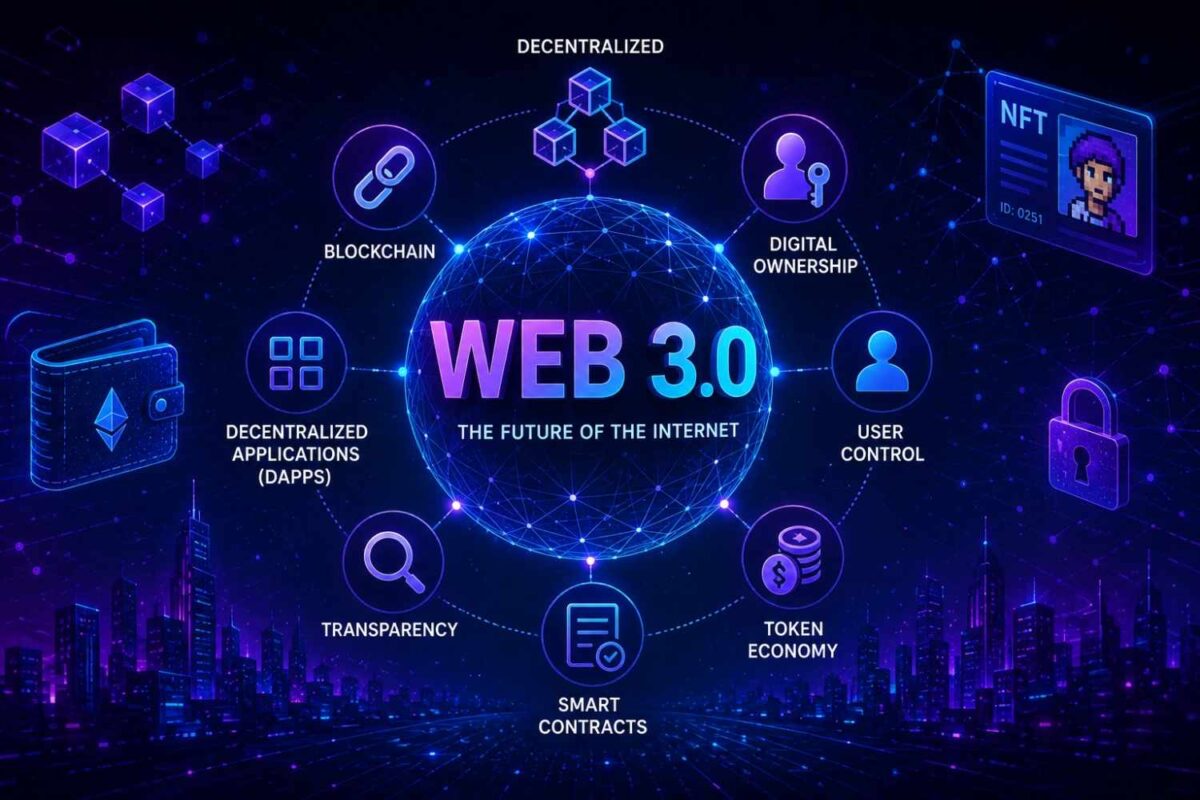
Web3 refers to the next generation of the internet built on decentralized technologies such as blockchain.
In simple terms, Web3 is an internet where users can:
- Own their digital assets
- Control their personal data
- Participate in platform decisions
- Earn rewards for online activity
- Interact without centralized control
It removes the idea that a few companies should control how the internet works.
Why Web3 Is Becoming Popular
Several global trends are pushing Web3 adoption forward.
Growing Concern About Data Privacy
Users are increasingly aware of how much data traditional platforms collect.
Desire for Digital Ownership
People want to truly own their content, assets, and online identities.
Rise of Cryptocurrency
Digital currencies have introduced new ways of sending and receiving value online.
Community-Based Platforms
Users now prefer platforms where they have a voice in decision-making.

Key Features of Web3
1. Decentralization
No single company controls the entire system. Power is distributed across users.
2. Digital Ownership
Users can own digital assets such as tokens, NFTs, and in-app rewards.
3. Token-Based Economy
Platforms reward users with tokens that may have real-world value.
4. Smart Contracts
Automated systems execute transactions without intermediaries.
5. Identity Control
Users control their digital identity instead of relying on centralized accounts.
How People Make Money in Web3
Web3 has created new income opportunities, including:
Token Rewards
Users earn tokens for participating in platforms and communities.
NFTs and Digital Assets
Creators can sell unique digital items directly to buyers.
Decentralized Finance (DeFi)
People can earn through lending, staking, and liquidity systems.
Community Participation
Active users are rewarded for contributing to platforms.
Web3 Freelancing
Developers, designers, and marketers earn income building decentralized projects.

Challenges of Web3 Adoption
Despite its potential, Web3 still faces several challenges.
Technical Complexity
Many systems are difficult for beginners to understand.
Security Risks
Users must protect their wallets and digital assets carefully.
Scams and Fraud
The industry still has projects that are not trustworthy.
Limited Mainstream Adoption
Web3 is still growing and not fully integrated into everyday internet use.
These challenges make education and awareness very important.
How Web3 Is Changing Social Networking
Web3 is transforming social media by introducing:
- User-owned content
- Reward-based engagement
- Decentralized platforms
- Community governance systems
Instead of users simply consuming content, they can now earn from participation and contribute to platform growth.
This shift is redefining what social networking means in the digital age.
Where Platforms Like SINNTS Fit Into Web3 Thinking
The evolution of Web3 is closely connected to the rise of community-driven digital platforms.
Platforms like SINNTS reflect similar principles such as:
- Community participation
- User engagement
- Digital interaction
- Reward-based ecosystems
- Social networking innovation
While Web3 focuses heavily on decentralization and blockchain, the broader idea is the same: giving users more value and control in digital ecosystems.
As the digital world continues to evolve, platforms that prioritize engagement, community, and user value will play an important role in the next phase of internet development.

How to Start Learning Web3
If you are new to Web3, start with these steps:
- Learn the basics of blockchain
- Understand cryptocurrency wallets
- Explore Web3 platforms and communities
- Follow trusted educational sources
- Practice with small, safe interactions
- Join online Web3 communities
Knowledge is the most important asset in the Web3 space.
Conclusion
Web3 represents a major shift in how the internet works. It introduces new ideas about ownership, decentralization, and user participation.
Although still developing, Web3 has the potential to reshape industries such as finance, social media, gaming, and online communities.
As the digital world evolves, users who understand Web3 early will have a significant advantage in the future economy.
Platforms like SINNTS reflect this broader movement toward more interactive and community-driven digital ecosystems.
The future of the internet is not just about using platforms—it is about owning and participating in them.
