The Growth of Community-Led Gender Equality Dialogues and Workshops
July 23, 2026How Local Composting and Waste-to-Value Programs Are Transforming Neighbourhoods
July 25, 2026
By Saheed Olaide | CitizenPulseMedia.com
Introduction
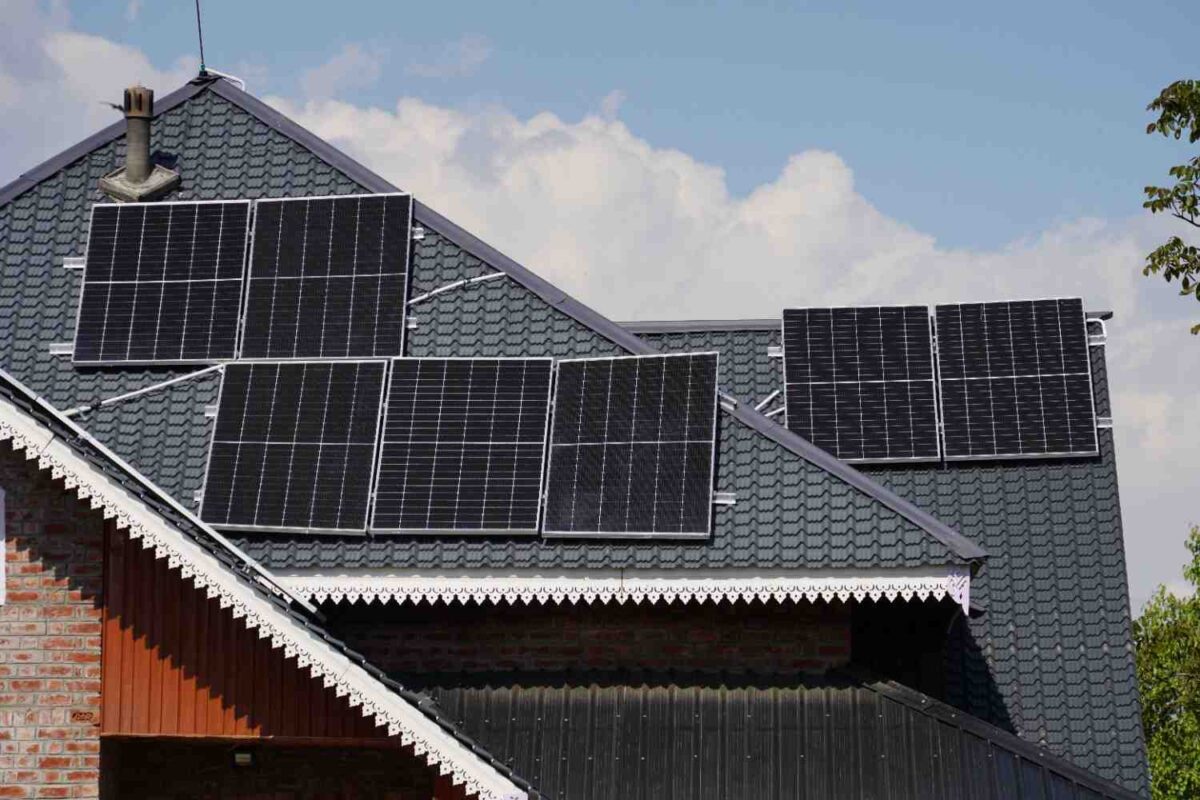
Community solar cooperatives are transforming the way neighbourhoods generate and use electricity. By joining together to invest in shared solar energy systems, residents gain access to clean, affordable power while reducing dependence on traditional energy sources.
Instead of relying entirely on large utility providers, communities are taking greater control of their energy future. This cooperative approach is improving energy security, lowering costs, and promoting environmental sustainability.
How Community Solar Cooperatives Work
Community solar cooperatives allow residents to jointly own or invest in solar installations. Members contribute financially to the project and receive benefits such as reduced electricity bills or a share of the revenue generated.
This model makes renewable energy accessible to people who may not be able to install solar panels on their own homes.
Benefits for Households
Community solar projects provide several advantages for participating families.
Benefits include:
- Lower electricity costs
- More stable energy prices
- Access to clean renewable energy
- Reduced carbon emissions
- Greater energy independence
These benefits help households save money while supporting a cleaner environment.
Strengthening Local Communities
Community-owned energy projects create positive economic and social impacts.
Communities benefit by:
- Creating local jobs
- Keeping energy investments within the community
- Encouraging collaboration among residents
- Improving energy resilience during disruptions
- Supporting long-term sustainable development
Shared ownership also strengthens trust and cooperation between neighbours.
Environmental Impact
Solar energy produces electricity without releasing harmful greenhouse gases.
As more communities adopt solar cooperatives, they contribute to:
- Cleaner air
- Reduced dependence on fossil fuels
- Lower carbon emissions
- Improved environmental sustainability
These efforts help combat climate change while protecting natural resources.
The Future of Community Energy
Community solar cooperatives demonstrate that clean energy can be locally owned and managed.
As technology becomes more affordable and awareness continues to grow, more neighbourhoods are expected to adopt cooperative renewable energy models. These projects offer a practical pathway toward affordable, reliable, and sustainable energy for everyone.
Conclusion
Community solar cooperatives are proving that energy independence begins at the local level.
By working together, residents can reduce energy costs, generate clean electricity, strengthen local economies, and build more resilient communities. As these cooperatives continue to expand, they are creating a future where affordable renewable energy is accessible to all.
