The Growth of Community Solar Cooperatives Driving Energy Independence
July 24, 2026How Women’s Leadership in Community Development Is Growing
August 6, 2026
By Saheed Olaide | CitizenPulseMedia.com
Introduction
Every day, households throw away food scraps, leaves, and other organic materials that often end up in landfills. Yet much of this waste can be turned into something valuable.
Local composting and waste-to-value programs are helping communities reduce pollution, improve soil health, and create new economic opportunities. Instead of treating waste as a problem, these initiatives see it as a resource that benefits everyone.
As more neighbourhoods embrace sustainable waste management, they are building cleaner environments and stronger local economies.
From Waste to Valuable Resources
Composting is one of the simplest and most effective ways to reduce household waste. Food scraps, vegetable peels, coffee grounds, and garden waste naturally decompose into nutrient-rich compost that improves soil quality.
Waste-to-value programs also convert waste into:
- Organic fertilizer
- Biogas for cooking and electricity
- Animal feed
- Recycled materials
- Bio-based products
By processing waste locally, communities keep valuable resources within the neighbourhood.
Environmental Benefits
Local composting greatly reduces the amount of waste sent to landfills.
Benefits include:
- Lower methane emissions
- Cleaner streets
- Reduced pollution
- Healthier gardens
- Improved soil fertility
Proper waste sorting also makes recycling programs more effective.
Economic Opportunities
Waste-to-value initiatives create local business opportunities.
Communities can generate income by:
- Selling compost
- Producing organic fertilizers
- Generating renewable energy
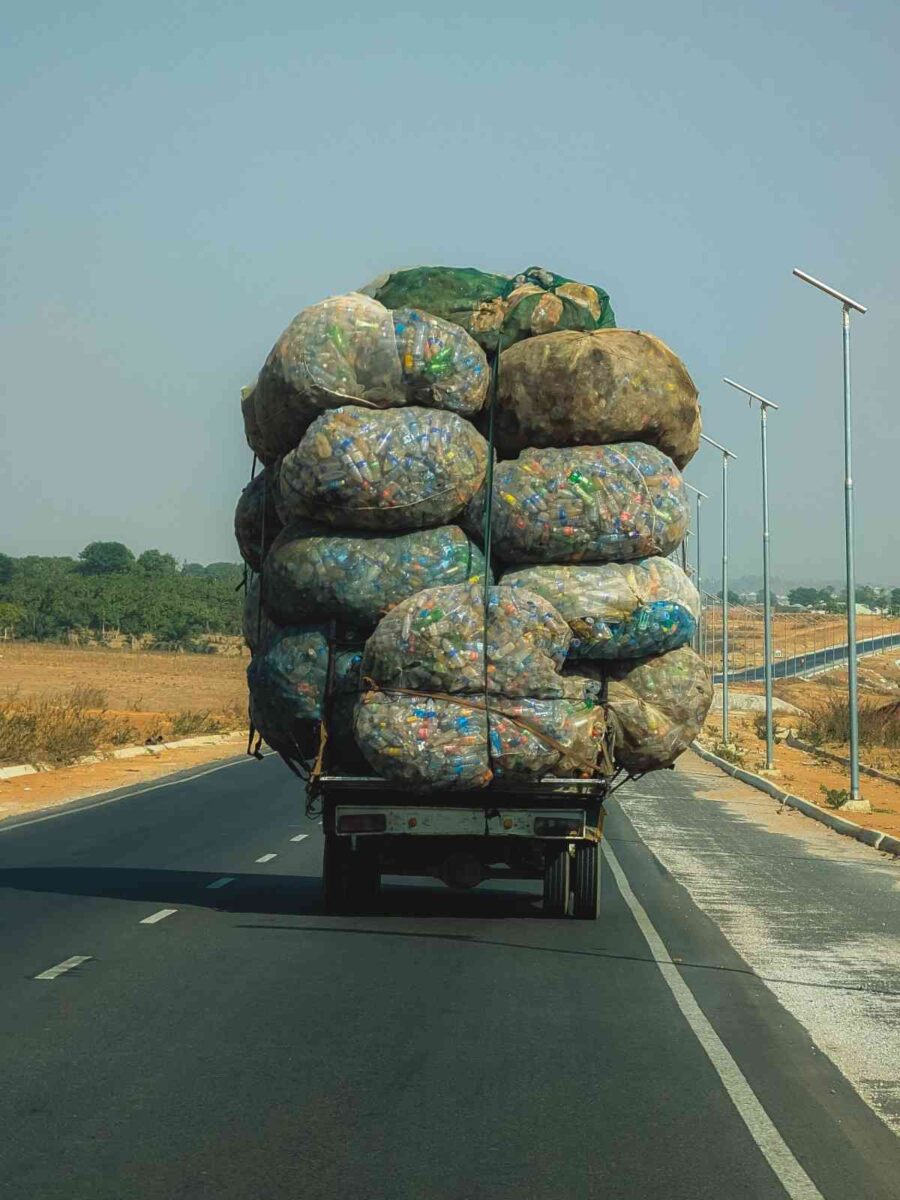
- Collecting recyclable materials
- Offering waste management services
These activities create jobs while supporting local agriculture.
Citizens Make the Difference
Community participation is essential.
Residents can help by:
- Separating organic waste
- Using compost collection points
- Participating in clean-up campaigns
- Educating neighbours
- Supporting local recycling efforts
Small actions by many people create lasting environmental change.
Why Circular Economies Matter
Traditional waste systems follow a “take, use, and throw away” model.
Circular economies recycle, compost, repair, and reuse materials instead.
Local composting is a perfect example because waste becomes a valuable resource rather than a burden.
Conclusion
Local composting and waste-to-value programs prove that waste is simply a resource in the wrong place.
By working together, communities reduce pollution, improve soil health, create jobs, and build stronger local economies. These initiatives are helping neighbourhoods become cleaner, greener, and more sustainable for future generations.
