How Community Gardens Are Improving Nutrition and Strengthening Local Communities
August 10, 2026How Community Gardens Are Improving Nutrition and Strengthening Local Communities
August 10, 2026
INTRODUCTION
Community-based disease prevention programs are helping protect public health by bringing prevention efforts closer to the people they are designed to serve. Instead of relying only on hospitals and health facilities, these programs involve residents, health workers, schools, community leaders, and local organisations.
Prevention can reduce the impact of disease by helping people understand health risks, recognise warning signs, adopt healthier habits, and seek appropriate care early.
This guide explores how community-based disease prevention programs work and why they are becoming an important part of stronger local healthcare systems.
Taking Prevention Into the Community
Many people may not regularly visit hospitals or clinics unless they become seriously ill. Community-based programs help address this gap by taking health education and preventive activities directly into neighbourhoods.
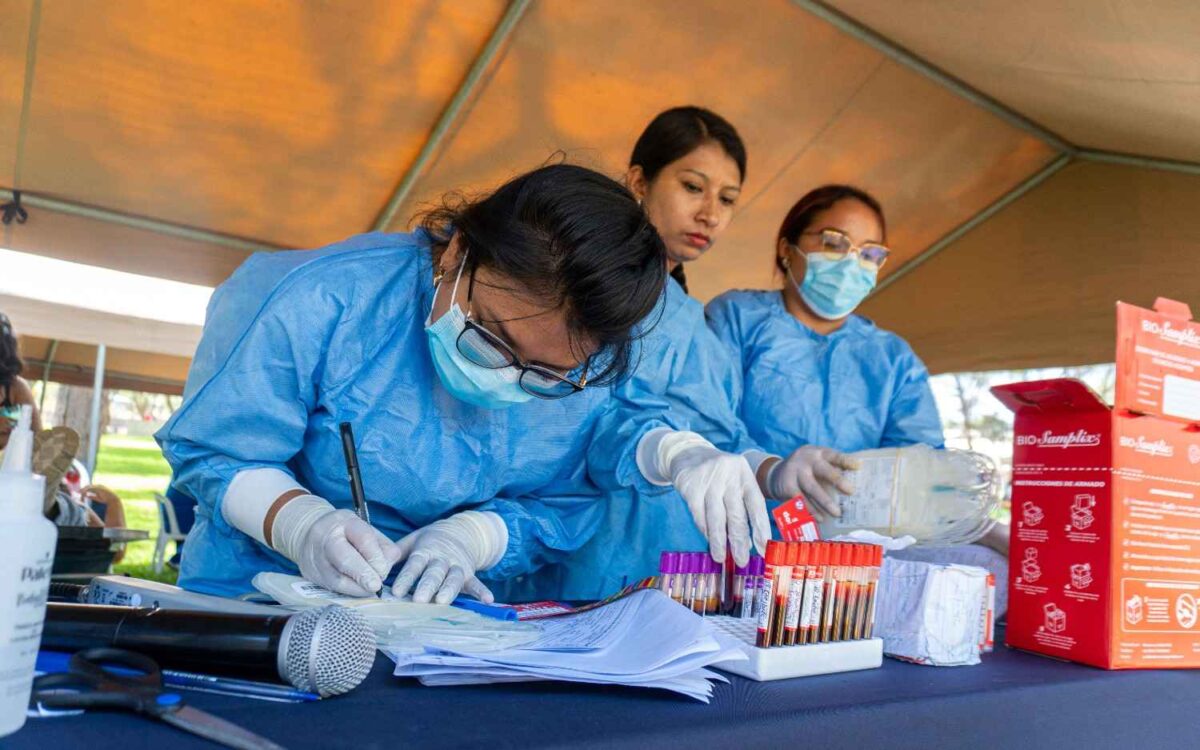
Health workers may organise awareness campaigns, screening activities, vaccination drives, health talks, and other community activities.
These initiatives make prevention more visible and accessible, especially for people who may face difficulties travelling to healthcare facilities.
Promoting Healthy Everyday Habits
Disease prevention often begins with simple decisions made every day.
Community programs can educate residents about handwashing, clean water, proper sanitation, balanced nutrition, physical activity, personal hygiene, and other healthy practices.
When these messages are repeated through trusted local channels, they can gradually become part of everyday community life.
Encouraging Early Detection
Early detection can make it easier for people to receive appropriate professional care before a health problem becomes more serious.
Community screening and awareness programs can encourage people to pay attention to warning signs and seek medical advice when necessary.
Community health workers can also help residents understand when a symptom requires professional evaluation rather than relying on misinformation or self-treatment.
Reaching Vulnerable Populations
Some groups face greater barriers to disease prevention and healthcare access.
Older people, children, people with disabilities, low-income families, and residents of remote communities may need additional support to access preventive services.
Community-based programs can help identify these groups and develop approaches that make health information and services easier to reach.
Fighting Health Misinformation
Misinformation can create serious challenges for public health.
False claims about diseases, medicines, vaccines, or treatment can discourage people from making informed health decisions.
Community health workers and trusted local leaders can help address misinformation by sharing accurate information and encouraging residents to consult qualified healthcare professionals.
Open conversations also give people an opportunity to ask questions and discuss concerns without fear of judgement.
Building Community Responsibility
Public health is not only the responsibility of hospitals, doctors, and government agencies. Communities also have an important role to play.
Residents can participate in sanitation activities, health campaigns, awareness programs, vaccination efforts, and local health initiatives.
When people understand that their individual actions can affect the wider community, prevention becomes a shared responsibility.
Strengthening Local Health Systems
Community-based prevention programs can also strengthen the relationship between residents and healthcare providers.
Local health workers can identify common health concerns, communicate community needs, and encourage residents to use appropriate healthcare services.
This creates a stronger connection between communities and formal health systems and can help healthcare providers respond more effectively to local priorities.
CONCLUSION — Forward-looking insight
Community-based disease prevention programs are protecting public health by making prevention more accessible, understandable, and locally relevant. Through health education, early detection, healthy habits, and community participation, these programs can help reduce preventable health problems and encourage people to seek appropriate care earlier.
The strength of this approach lies in its focus on people rather than only facilities. When communities are given reliable information and opportunities to participate, they become active partners in protecting public health.
As more neighbourhoods invest in prevention and local health partnerships, communities can move toward a future where staying healthy is not simply a personal responsibility but a shared community goal.
