Why Ordinary People Are Becoming the Most Powerful Voices in Media — And SINNTS Is Making It Possible
June 17, 2026The Marketplace Revolution: How Markets Are Changing in a Digital Economy
June 18, 2026
From a record-breaking Ebola response to a $1.3 billion tech funding surge — here is what is really happening across Africa right now, and why it matters for the participation economy.
By Mai Nasara | citizenpulsemedia.com | June 16, 2026
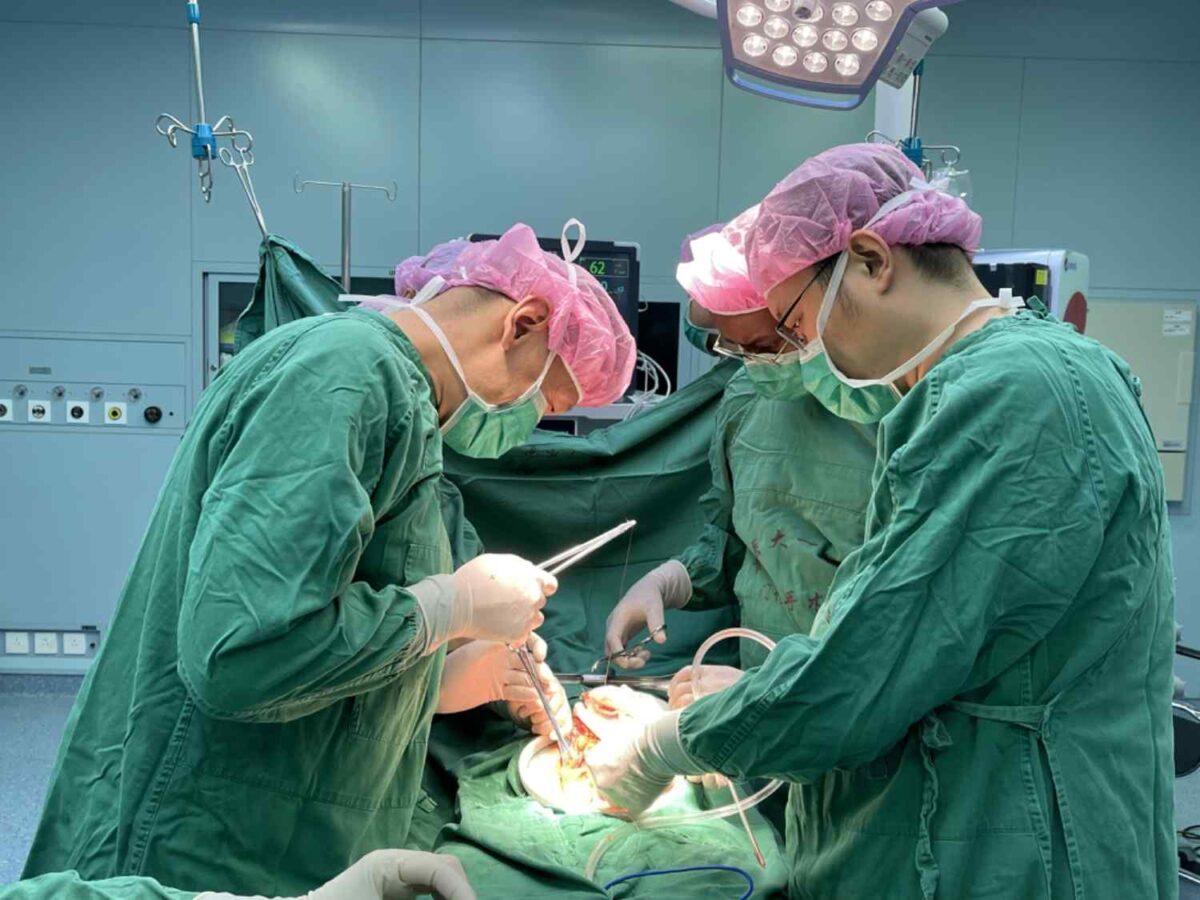
The head of Africa CDC has issued a stark warning this week: the Ebola outbreak currently spreading through the Democratic Republic of Congo could become the worst the continent has ever recorded if critical gaps in the response are not urgently addressed.
The Numbers So Far: More than 800 cases and 192 deaths from the rare Bundibugyo strain have been reported across three provinces in eastern DR Congo. Health officials point to shortages in funding and treatment infrastructure as major obstacles slowing the response.
The Bundibugyo strain is considered rarer and historically less understood than other Ebola variants, which has complicated containment efforts. Health agencies across the region are calling for urgent international support to scale up treatment centres and strengthen surveillance before the outbreak spreads further.
Why This Belongs on SINNTS: Public health crises like this one are exactly where citizen journalism and community-driven reporting matter most. Local SINNTS contributors in affected regions can share real-time, ground-level updates — symptoms to watch for, treatment centre locations, verified safety guidance — directly with the communities who need it most, while being recognised for the value of that reporting.

In a significant move toward national healing, the Kenyan government has announced it will begin compensating nearly 2,000 people who suffered human rights abuses during protests.
What This Means: This reparations programme represents one of the more concrete government responses to civil unrest seen on the continent this year. It signals an attempt to formally acknowledge harm done during periods of political tension and to begin a process of accountability and restitution for affected citizens.
Elsewhere on the continent, South African President Cyril Ramaphosa pushed back this week against narratives blaming migrants for the country’s economic and social challenges — a stance that has sparked discussion across the region about migration, scapegoating, and economic policy.
Why This Belongs on SINNTS: Stories about justice, accountability, and civic processes are precisely the kind of community-relevant reporting that traditional media often under-covers. SINNTS gives citizen journalists in Kenya and beyond the platform to track these reparations as they unfold, hold institutions accountable through consistent reporting, and build community around civic transparency — all while being recognised for that contribution.
Despite a challenging global economy, investor confidence in African innovation remains strong. African startups have raised a total of $1.3 billion so far in 2026, putting the continent on a similar pace to the $1.42 billion raised in the first half of 2025.
The Headline Deal: Electric mobility company Spiro secured a landmark $215 million investment round to accelerate the expansion of its electric vehicle and battery-swapping infrastructure across the continent. The deal, backed by major institutional investors, marks one of the largest funding rounds in African climate tech this year.
Beyond Spiro, smaller but significant raises are happening across the continent. African payments company NALA secured $50 million in credit financing, while Digital Africa launched a $58 million seed fund specifically targeting overlooked African tech markets. In South Africa, a new R300 million seed fund has been introduced to support local tech startups, with investors increasingly backing founders who demonstrate clear traction and local market fit.
Analysts say this resilience reflects something important: even amid global economic pressure, investors continue to see Africa’s digital economy as a long-term growth story.
Why This Belongs on SINNTS: This is the exact economic shift SINNTS was built around — value moving toward African innovation and African contributors. As fintech, payments, and digital infrastructure companies grow across the continent, platforms like SINNTS that reward genuine participation are positioned to be part of that same wave, giving everyday users a stake in Africa’s digital economy rather than watching it grow from the sidelines.

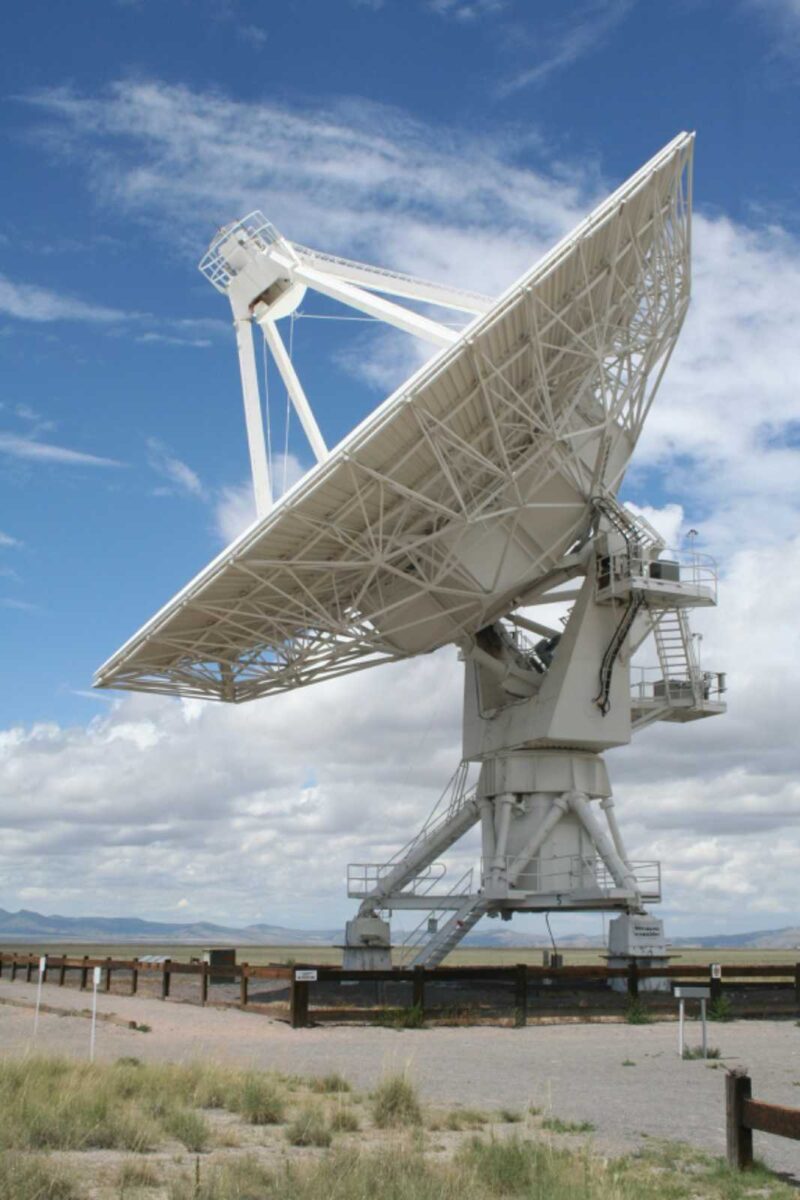
Africa’s digital infrastructure race just got a major new contender. Kenya will become the first country in Africa to host an Amazon Satellite Communications ground station, known as Amazon’s first commercial satellite internet ground station under Project Kuiper.
Why This Matters: This positions Kenya to compete directly against SpaceX’s Starlink in the global satellite internet race. For a continent where reliable internet access remains a persistent challenge in many regions, satellite-based connectivity could be transformative — bringing high-speed internet to areas that traditional fibre and mobile infrastructure have struggled to reach.
This development comes alongside other significant connectivity news. South Africa’s draft National Artificial Intelligence Policy was withdrawn for revision, while Starlink continues to expand its footprint across the region, though it has yet to formally apply for an operating licence in South Africa specifically.
Taken together, these developments point to a continent rapidly building the infrastructure layer that will determine who gets to participate in Africa’s digital economy over the next decade — and how.
Why This Belongs on SINNTS: Better connectivity means more Africans coming online, more communities able to participate digitally, and more opportunities for platforms like SINNTS to extend their reach. As infrastructure improves, the participation economy SINNTS is built around becomes accessible to millions more people who previously could not get online reliably.
The Bigger Picture
This week’s stories capture something important about Africa right now: a continent simultaneously facing serious public health and humanitarian challenges, while also building some of the most resilient and fast-growing technology and investment ecosystems in the world.
These are not contradictory stories. They are the same continent, telling its full story — struggle and growth side by side. And increasingly, that story is being told by Africans themselves, on platforms built to recognise the value of that telling.
- DR Congo’s Ebola outbreak demands urgent international attention and local reporting
- Kenya’s reparations programme marks a significant step toward civic accountability
- African tech funding remains resilient at $1.3 billion in 2026 so far
- Satellite internet expansion could reshape digital access across the continent
Note: This roundup reflects news developments as of June 16, 2026. Situations such as the DR Congo Ebola outbreak are evolving rapidly — readers should consult official sources such as the WHO and Africa CDC for the latest verified updates.
