How Farmers Markets Are Strengthening Local Economies
June 27, 2026How Public Art Projects Are Reviving Forgotten Neighbourhoods
June 28, 2026
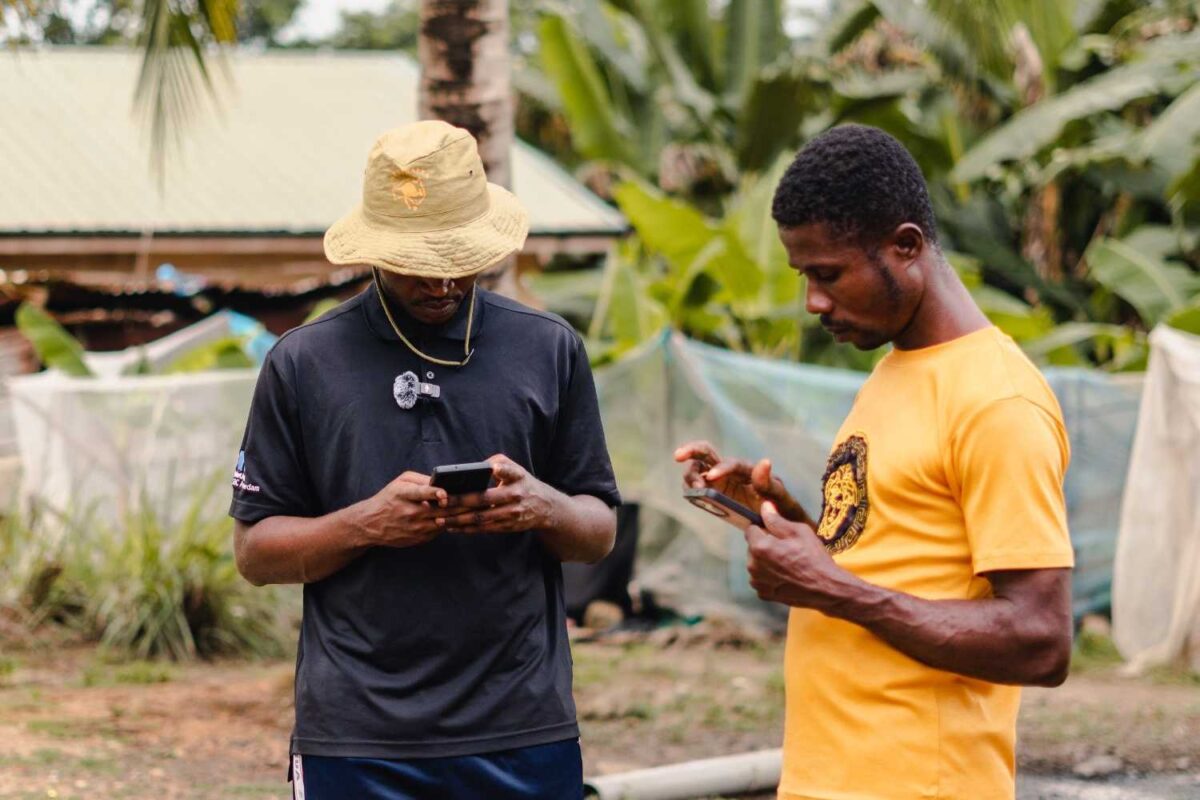
Introduction
Community-powered internet access is emerging as an innovative solution for areas that traditional internet providers have overlooked. By building, managing, and maintaining their own networks, communities are taking greater control of their digital connectivity and creating sustainable solutions tailored to local needs.
Using technologies such as wireless broadband, mesh networks, and shared infrastructure, community networks are helping bridge the digital divide while expanding access to education, economic opportunities, healthcare, and communication services. This article explores the growing potential of community-powered internet and its role in shaping a more connected future.
Filling Connectivity Gaps
Despite significant advances in technology, many rural communities and low-income urban areas still lack reliable and affordable internet access. In some locations, commercial internet providers may consider network expansion too costly or unprofitable.
Community-powered networks offer an alternative approach by allowing residents, local organizations, and community groups to collaborate in developing connectivity solutions.
These networks often:
- Pool local resources and expertise.
- Share communication infrastructure.
- Expand internet access to underserved populations.
- Provide affordable connectivity options.
- Deliver services tailored to community needs.
In many cases, community networks can offer more flexible and cost-effective solutions than traditional commercial providers.
Supporting Education and Economic Opportunity
Reliable internet access has become essential for participation in modern society. Community-powered networks help ensure that residents can access digital opportunities that support learning, employment, and economic development.
With improved connectivity, community members can:
- Access online education and training programs.
- Participate in remote work opportunities.
- Launch and manage online businesses.
- Access government and public services.
- Conduct research and acquire new skills.
- Communicate with customers, partners, and employers.
For students, internet access opens doors to digital learning resources, virtual classrooms, and educational content that may otherwise be unavailable.
For entrepreneurs and small businesses, connectivity creates opportunities to reach broader markets and compete in the digital economy.
Building Local Ownership and Resilience
One of the most significant advantages of community-powered internet is local ownership. When communities manage their own digital infrastructure, they gain greater control over how services are delivered and maintained.
This model provides several benefits:
- Faster response to technical issues.
- Greater transparency in decision-making.
- More affordable pricing structures.
- Increased accountability to local users.
- Long-term sustainability through community involvement.
Local ownership also encourages communities to develop solutions that align with their unique priorities and challenges rather than relying entirely on external providers.
Encouraging Digital Skills Development
Community networks often create opportunities for residents to gain valuable technical skills. Local technicians, volunteers, and young people may become involved in network installation, maintenance, troubleshooting, and administration.
These experiences help build expertise in areas such as:
- Information and communication technology (ICT).
- Network management.
- Digital infrastructure maintenance.
- Technical support services.
- Problem-solving and innovation.
Over time, these skills strengthen local capacity and contribute to workforce development within the community.
Strengthening Social and Community Connections
Beyond providing internet access, community-powered networks can help strengthen social ties and civic engagement. By working together to build and maintain shared infrastructure, residents often develop stronger relationships and a greater sense of collective responsibility.
Improved connectivity also enables communities to share information more effectively, organize local initiatives, access emergency communications, and participate more actively in civic life.
This combination of digital access and community collaboration supports broader social development and resilience.
Supporting Resources
Several international organizations recognize the importance of community-driven connectivity solutions for promoting digital inclusion and sustainable development.
Conclusion
Community-powered internet access represents a promising future for underserved areas seeking reliable and affordable digital connectivity. By taking ownership of their internet infrastructure, communities can overcome barriers created by traditional service models and develop networks that directly serve local needs.
This citizen-driven approach promotes digital inclusion, economic opportunity, technical skills development, and community resilience. As more communities embrace and expand community-powered internet solutions, they are helping close the digital divide while creating a more connected, equitable, and empowered world.
Meta Description
Discover how community-powered internet access is helping underserved communities bridge the digital divide through affordable connectivity, local ownership, and digital inclusion.
