The Future of Community-Powered Internet Access in Underserved Areas
June 28, 2026Global Stock Market Update: AI Boom and Falling Oil Prices Push Stocks to Record Highs
June 29, 2026
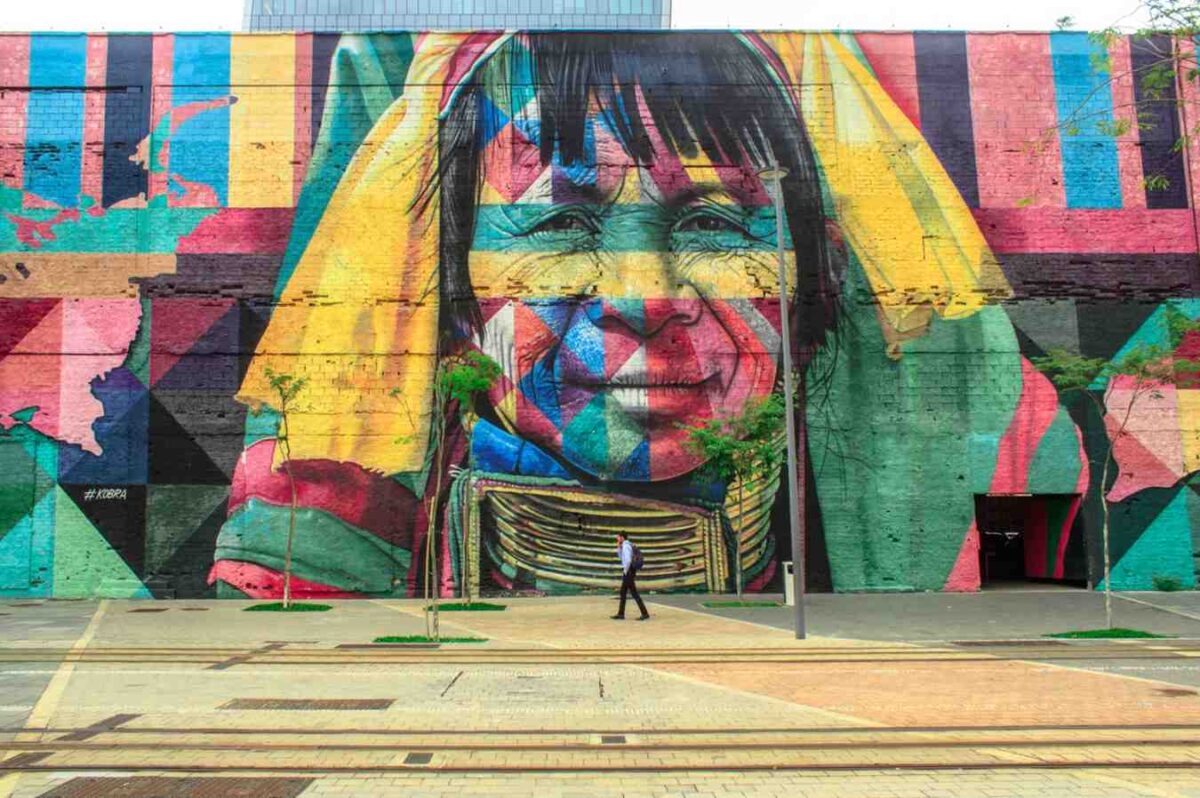
Public art projects are emerging as powerful tools for urban renewal, turning forgotten, neglected, or visually dull neighbourhoods into vibrant cultural spaces. From large murals on abandoned buildings to small street installations and community sculptures, public art is reshaping how people experience and value their surroundings.
Beyond aesthetics, these projects play a deeper role in storytelling, identity formation, and community engagement. They give residents a voice, attract positive attention to overlooked areas, and help restore pride in places that were once seen as neglected or forgotten.
Transforming Physical Spaces
One of the most immediate impacts of public art is the visual transformation of space.
Blank walls, abandoned structures, and empty lots can make neighbourhoods feel lifeless or overlooked. When artists and community members collaborate to create murals, sculptures, or street installations, these same spaces are reimagined as vibrant landmarks.
A single mural can redefine an entire street. Colours, patterns, and imagery bring energy and meaning to areas that previously lacked identity. These visual improvements often act as catalysts, encouraging better maintenance of surrounding spaces and inspiring further development.
Over time, public art contributes to a cleaner, more attractive, and more engaging urban environment.
Building Community Identity and Pride
Public art is most powerful when it reflects the people who live in the community.
When residents participate in the creation process, the artwork becomes more than decoration—it becomes a shared expression of identity, culture, and history. These projects often incorporate local stories, traditions, and values, helping communities see themselves represented in public space.
Intergenerational collaboration is also common, with young people working alongside elders to preserve and reinterpret cultural heritage through creative expression. This process strengthens relationships and fosters mutual respect.
As a result, residents develop a stronger sense of ownership and pride in their neighbourhoods, which often leads to increased care and respect for public spaces.
Encouraging Social and Economic Activity
Public art can also play a significant role in revitalising local economies and social life.
Artistic installations often attract visitors, photographers, and tourists, turning previously overlooked areas into points of interest. This increased foot traffic can benefit small businesses such as cafes, shops, and markets located nearby.
Public art spaces also become natural gathering points for events, performances, and community celebrations. These activities encourage interaction among residents and help build a stronger sense of community life.
In many cases, public art serves as a bridge between cultural expression and economic opportunity, helping neighbourhoods become more active and dynamic.
Giving Voice to Community Stories
Public art is not only about beautification—it is also a form of communication.
Murals and installations often reflect social issues, historical events, or shared community experiences. They give residents a platform to express their perspectives and highlight issues that matter to them.
This form of visual storytelling can spark important conversations, promote awareness, and inspire collective reflection. It allows communities to reclaim public spaces as platforms for expression rather than neglect.
Through art, neighbourhoods tell their own stories in ways that are visible, accessible, and impactful.
Empowering Youth and Local Artists
Many public art initiatives actively involve young people and local creatives.
For youth, participation in art projects provides an opportunity to develop skills, express creativity, and contribute positively to their environment. It can also serve as an alternative to negative influences by offering constructive engagement.
Local artists benefit as well, gaining exposure, experience, and opportunities to collaborate with communities and organisations. This helps strengthen local creative industries and encourages cultural development at the grassroots level.
By investing in creativity, communities invest in their future.
Strengthening Community Connection
Public art projects naturally bring people together.
Planning, designing, and creating artwork requires collaboration between residents, artists, community leaders, and sometimes local authorities. This shared effort builds trust and encourages cooperation.
Once completed, the artwork continues to serve as a gathering point, sparking conversations and interactions among residents. Over time, these shared experiences contribute to stronger social bonds and a greater sense of belonging.
Looking Ahead
As cities continue to evolve, public art is becoming an increasingly important part of urban development and regeneration strategies. It offers a cost-effective yet powerful way to improve environments, strengthen identity, and engage communities.
With growing interest in creative placemaking and cultural development, more neighbourhoods are likely to adopt public art initiatives as part of broader revitalisation efforts.
Technology is also expanding the possibilities of public art, with digital murals, augmented reality installations, and interactive displays adding new dimensions to community storytelling.
Conclusion
Public art projects are reviving forgotten neighbourhoods by combining creativity, storytelling, and community participation. They transform physical spaces, strengthen identity, and encourage social and economic activity.
More importantly, they remind us that neighbourhood renewal is not only about infrastructure or investment—it is also about imagination, expression, and collective effort.
When communities come together to create art, they do more than decorate their environment; they redefine it. As more neighbourhoods embrace public art, they are building more vibrant, connected, and hopeful places to live.
