The Growing Role of Community Mothers in Health Education
June 22, 2026The Rise of Female Entrepreneurs in Creative Industries
June 22, 2026
INTRODUCTION
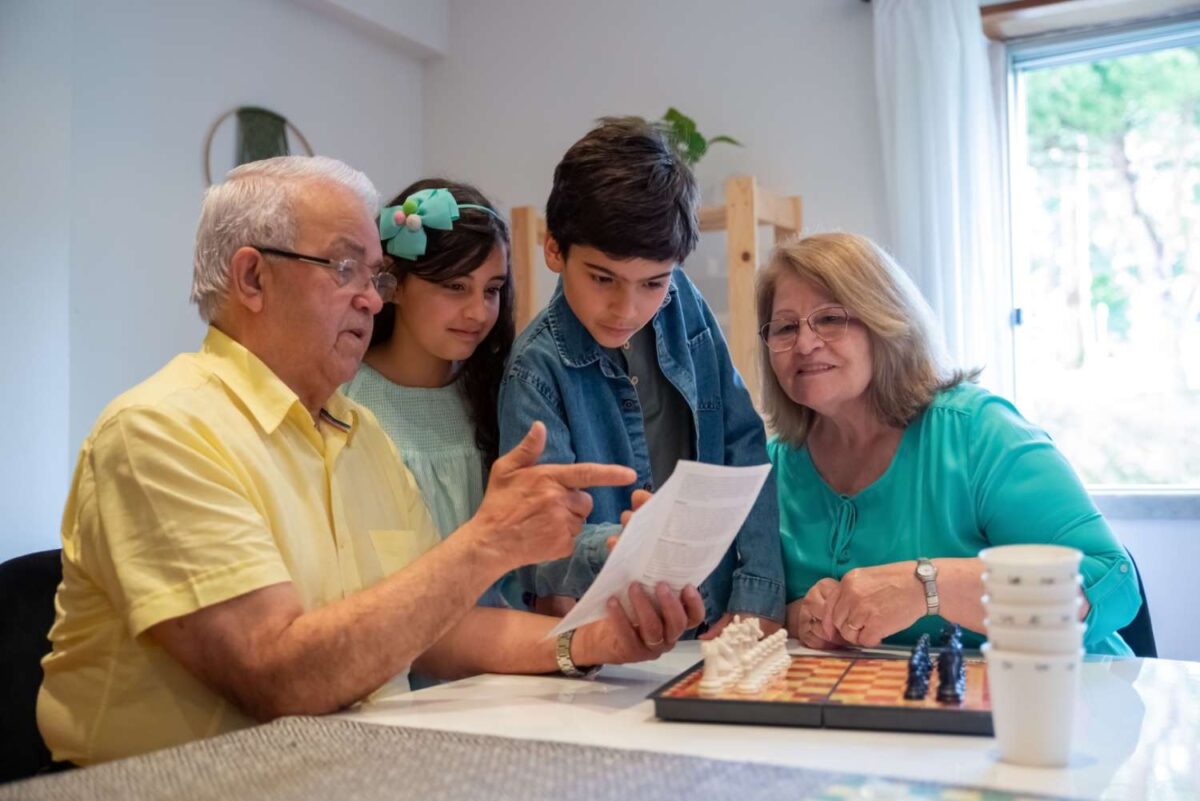
Intergenerational programs are connecting communities by creating meaningful interactions between young people and older adults. These initiatives bridge generational gaps, reduce isolation, and enable the exchange of knowledge, experience, and skills across age groups.
This article explores how intergenerational programs are strengthening social cohesion and improving relationships within communities.
BREAKING DOWN AGE BARRIERS
In many communities, young people and elders rarely have structured opportunities to interact. Intergenerational programs address this gap by creating environments where both groups can engage meaningfully.
Common activities include:
- Storytelling sessions
- Skill-sharing workshops
- Joint community projects
- Recreational and cultural activities
These interactions help reduce stereotypes, promote understanding, and build mutual respect between generations.
SHARING KNOWLEDGE AND WISDOM
Older adults bring valuable life experience, cultural knowledge, and practical skills that can benefit younger generations. At the same time, young people contribute energy, innovation, and digital literacy.
Intergenerational programs encourage a two-way exchange where both groups learn from each other.
Key benefits include:
- Preservation of cultural heritage and traditions
- Transfer of practical life skills
- Increased digital literacy among older adults
- Broader perspectives for young participants
This exchange strengthens both individuals and the wider community.
REDUCING ISOLATION AND BUILDING BELONGING
Loneliness is a growing challenge across all age groups, particularly among older adults. Intergenerational programs help reduce isolation by fostering regular social interaction.
Participants often experience:
- Improved mental wellbeing
- Stronger emotional support networks
- Increased sense of purpose
- Greater community engagement
By creating consistent opportunities for connection, these programs build more inclusive and supportive neighbourhoods.
CONCLUSION — FORWARD-LOOKING INSIGHT
Intergenerational programs are connecting communities by fostering understanding, respect, and collaboration between age groups. By creating spaces where young and older people can learn from and support each other, these initiatives reduce isolation and strengthen social bonds.
This citizen-driven approach demonstrates that when generations come together, communities become more resilient, compassionate, and socially balanced.
As more neighbourhoods adopt intergenerational programs, they are building stronger and more connected societies.
