Mothers’ and Caregivers’ Support Networks: Strengthening Families Through Shared Care
July 16, 2026Community Waste Management: Creating Cleaner Communities Through Collective Action
July 16, 2026
Introduction
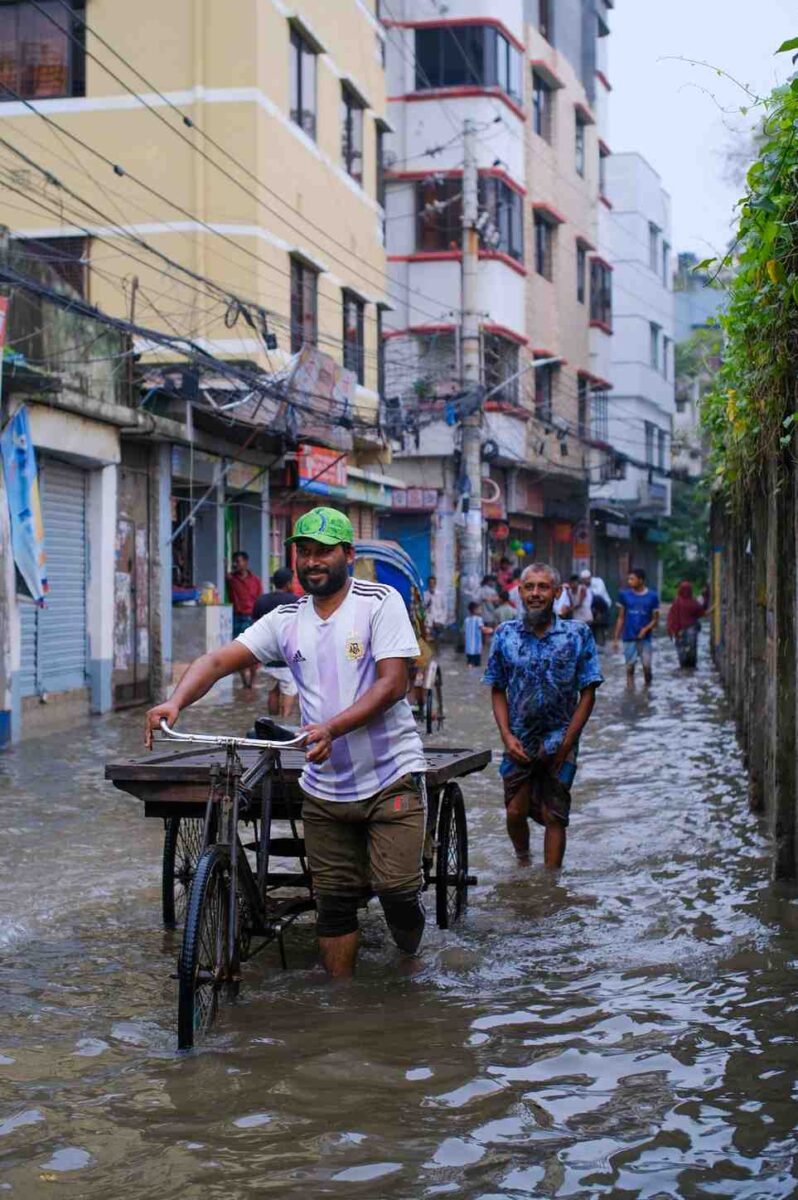
Climate change is affecting communities through rising temperatures, changing rainfall patterns, floods, droughts, and other environmental challenges. Community climate adaptation focuses on helping people prepare for and respond to these changes using practical, locally driven solutions. By combining local knowledge with sustainable practices, communities can reduce risks, protect livelihoods, and build a more resilient future.
Using Local Knowledge for Practical Solutions
Local communities possess valuable knowledge about their environment, weather patterns, farming practices, and natural resources. By combining this experience with scientific research and modern technology, communities can develop effective adaptation strategies such as water conservation, climate-smart agriculture, tree planting, flood control, and sustainable land management. These practical solutions help reduce the impact of climate-related challenges while protecting natural resources for future generations.
Strengthening Collective Action
Successful climate adaptation depends on collaboration among community members, local leaders, organizations, and government institutions. Community projects such as environmental awareness campaigns, reforestation programs, clean-up exercises, and disaster preparedness initiatives encourage people to work together toward common goals. Collective action strengthens resilience and enables communities to respond more effectively to changing environmental conditions.
Protecting Vulnerable Groups
Climate change often affects vulnerable populations the most, including children, older adults, people with disabilities, and low-income households. Community climate adaptation ensures that these groups are included in planning and decision-making processes. Providing access to early warning systems, climate education, emergency support, and sustainable livelihood opportunities helps protect those who face the greatest risks.
Conclusion — Forward-Looking Insight
As climate challenges continue to evolve, community climate adaptation will become increasingly important for protecting lives, livelihoods, and ecosystems. By embracing local innovation, encouraging collaboration, and investing in sustainable solutions, communities can build resilience and create a future that is better prepared for the impacts of climate change.
Call to Action
What climate adaptation initiatives could make a difference in your community? Share your ideas and support local efforts that promote environmental sustainability and community resilience.
Author:
By Mai Nasara Media | citizenpulsemedia.com
