Why Lifelong Learning and Community Education Centers Transform Development
July 20, 2026How Community Skill-Sharing Workshops Are Building Local Economic Capacity
July 22, 2026
By Asiru MA | CitizenPulseMedia.com
Introduction
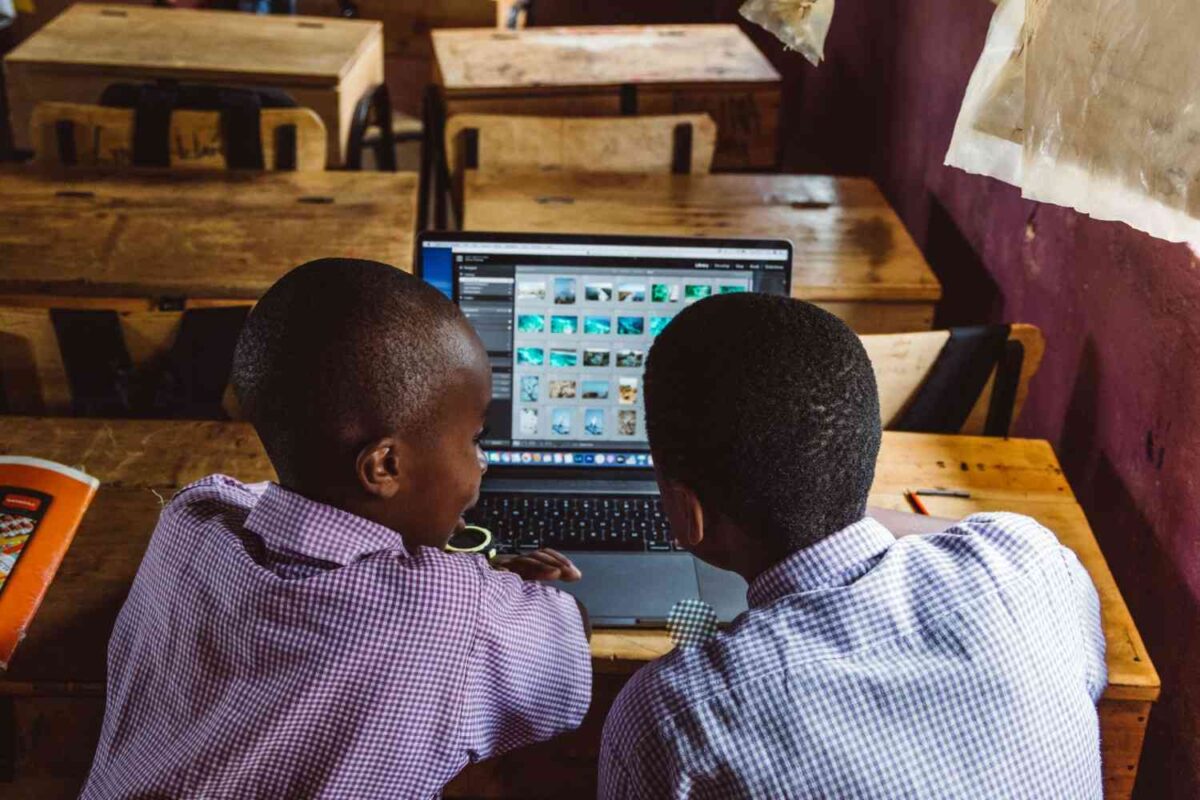
Peer-to-peer learning networks are transforming education in rural and underserved areas by enabling people to learn directly from one another. Instead of depending solely on formal institutions, communities are sharing practical knowledge through trusted relationships and real-life experiences.
These networks make learning more accessible, affordable, and relevant to local needs while empowering communities to solve their own challenges.
Why Peer-to-Peer Learning Works
Traditional education does not always reach remote communities or address local realities.
Peer-to-peer learning succeeds because it is built on:
- Local knowledge
- Shared experiences
- Familiar languages
- Mutual trust
- Practical problem-solving
People often learn faster when the teacher understands their daily lives and the challenges they face.
Real Impact on Rural Communities
Peer learning networks have created positive change in many communities.
They help people:
- Improve farming techniques
- Develop business skills
- Learn digital literacy
- Increase household income
- Build confidence
- Strengthen community relationships
One successful learning group can inspire neighbouring communities to establish similar networks.
Overcoming Common Barriers
Many rural communities have limited access to schools, teachers, books, or internet services.
Peer-to-peer learning overcomes these challenges by making use of existing community resources.
Learning can take place in:
- Community halls
- Schools
- Places of worship
- Village meeting spaces
- WhatsApp groups
- Local radio programmes
This flexibility allows education to continue even where infrastructure is limited.
Strengthening Community Development
Peer learning encourages cooperation and shared responsibility.
As knowledge spreads throughout the community, residents become better equipped to solve local problems, improve livelihoods, and support one another.
Communities that learn together are often more resilient and better prepared for future challenges.
Conclusion
Peer-to-peer learning networks are proving that education does not always require formal classrooms.
By connecting people with shared experiences and practical knowledge, these networks build skills, confidence, and stronger communities. As more rural and underserved areas adopt peer learning, they create sustainable pathways for development driven by local people and local solutions.
