The Promise of Solar Energy Solutions in Off-Grid Communities
June 30, 2026Why Community Storytelling Strengthens Social Bonds
July 2, 2026
Introduction
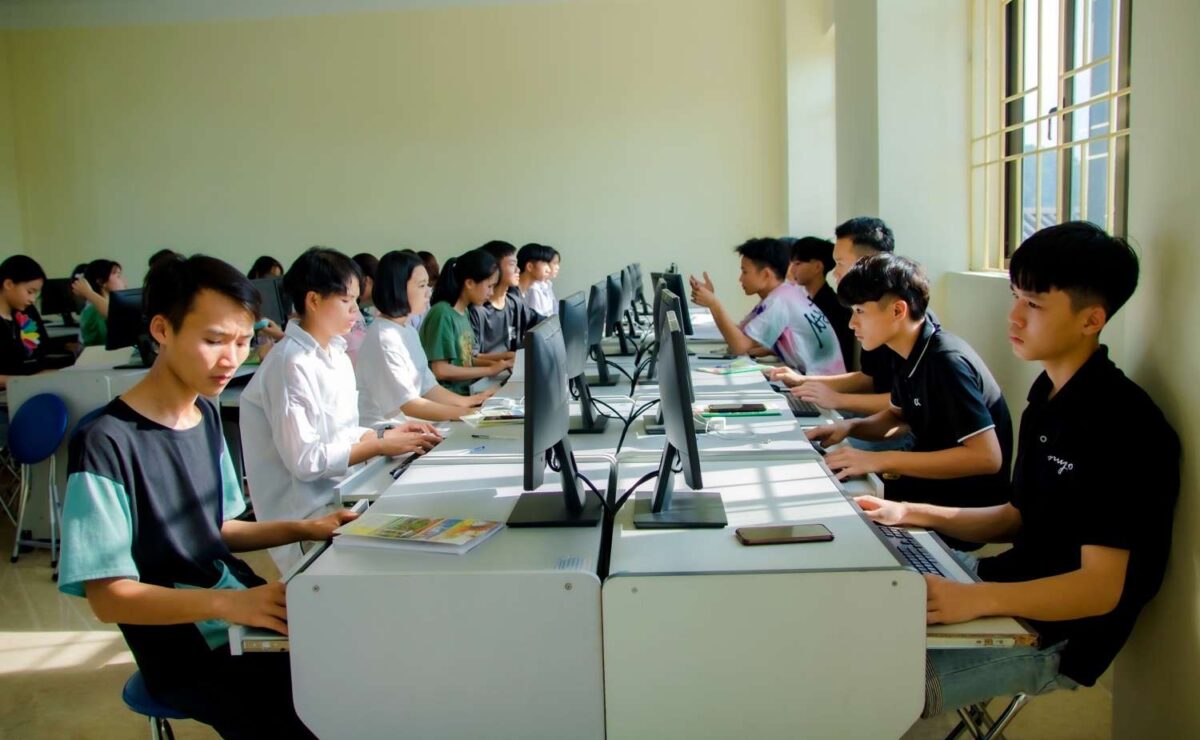
Digital literacy programs are opening doors for young people by teaching them how to use technology confidently, effectively, and responsibly. In today’s increasingly digital world, these skills are essential for education, employment, communication, entrepreneurship, and civic participation.
As technology continues to transform nearly every aspect of daily life, digital literacy has become a key factor in determining access to opportunities. This article explores how digital literacy programs are empowering young people and helping them build brighter futures.
Building Essential Modern Skills
Digital literacy goes far beyond basic computer use. It includes the ability to find, evaluate, create, and share information using digital technologies. It also involves understanding online safety, digital ethics, cybersecurity awareness, and responsible internet use.
Young people who develop strong digital literacy skills are better prepared to succeed in school, the workplace, and their personal lives. These skills help them:
- Conduct effective online research.
- Use productivity and communication tools.
- Create digital content.
- Collaborate in virtual environments.
- Think critically about information found online.
- Protect their privacy and security on the internet.
Many digital literacy programs combine technical training with critical thinking skills, helping young people become informed and responsible digital citizens.
Increasing Access and Reducing Inequality
Access to technology remains uneven in many parts of the world. Young people in underserved communities often face barriers such as limited internet connectivity, lack of digital devices, and insufficient training opportunities.
Digital literacy programs help close this gap by providing:
- Access to computers and digital devices.
- Affordable or free internet connectivity.
- Technology-focused training and workshops.
- Mentorship and learning support.
- Opportunities to gain practical digital experience.
By expanding access to technology education, these programs help level the playing field and ensure that more young people can participate in the digital economy regardless of their background.
Enabling Greater Participation and Opportunity
Digital literacy creates pathways to a wide range of opportunities. Young people with digital skills can access online learning platforms, apply for jobs, pursue remote work, start businesses, connect with mentors, and participate in community discussions.
These opportunities can significantly improve educational and economic outcomes. Digital literacy also enables young people to:
- Explore new career paths.
- Develop entrepreneurial ventures.
- Access global knowledge and resources.
- Build professional networks.
- Engage in civic and social issues.
By equipping youth with these capabilities, digital literacy programs help expand horizons and increase long-term opportunities.
Supporting Creativity and Innovation
Technology provides young people with powerful tools for creativity and self-expression. Through digital literacy programs, participants learn how to create websites, videos, graphics, blogs, podcasts, and other forms of digital content.
These skills allow young people to share their ideas, tell their stories, and contribute to conversations that shape their communities and the wider world. In many cases, digital creativity can also lead to educational, professional, and entrepreneurial opportunities.
Preparing Youth for the Future Workforce
As workplaces become increasingly technology-driven, digital skills are now considered essential across many industries. Employers value candidates who can navigate digital tools, communicate online, analyze information, and adapt to evolving technologies.
Digital literacy programs help young people develop the competencies needed to thrive in modern workplaces and future careers. By investing in digital education today, societies can better prepare the next generation for the jobs of tomorrow.
Supporting Resources
Several international organizations recognize digital literacy as a key driver of youth empowerment and development.
Conclusion
Digital literacy programs are opening doors for young people by giving them the skills needed to thrive in the digital age. By improving access to technology education and building confidence in using digital tools, these programs expand opportunities for learning, employment, entrepreneurship, and civic participation.
This citizen-supported approach demonstrates that equipping young people with digital skills creates pathways to better futures. As more youth gain digital literacy, they are becoming more capable, connected, innovative, and empowered members of society. Investing in digital literacy today is an investment in a stronger, more inclusive future for everyone.
Meta Description
Learn how digital literacy programs are empowering young people with essential technology skills, expanding opportunities for education, employment, entrepreneurship, and civic participation.
