Global Stock Market Update: AI Boom and Falling Oil Prices Push Stocks to Record Highs
June 29, 2026The New Information Age: Why Everyone Is Becoming a Citizen Journalist
June 30, 2026
Introduction
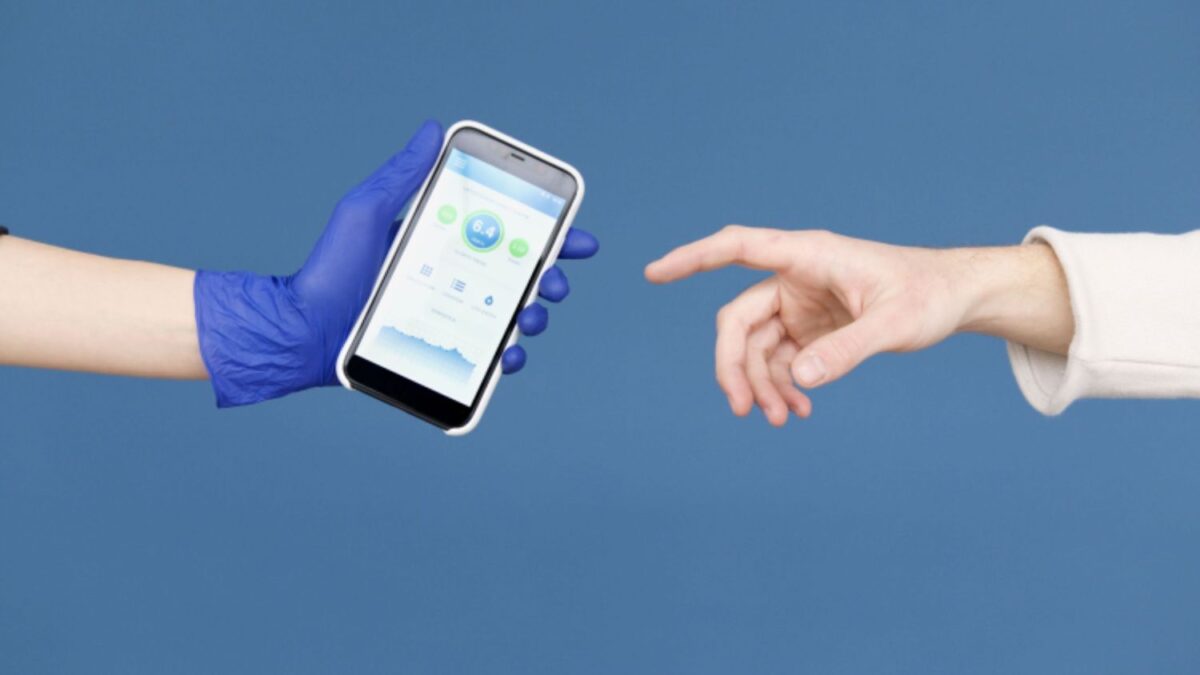
Mobile health apps are reaching remote areas by using the widespread availability of smartphones and mobile devices to deliver healthcare information, support, and services directly to individuals. In communities where healthcare facilities are distant, transportation is limited, or medical professionals are scarce, these digital solutions are helping bridge critical gaps in healthcare access.
From health education and appointment reminders to remote consultations and patient monitoring, mobile health applications are transforming the way people receive care. This article explores how mobile health apps are expanding healthcare access and improving outcomes in underserved communities.
Overcoming Geographic Barriers
One of the greatest challenges facing remote communities is the difficulty of accessing healthcare services. Long travel distances, poor road networks, and limited transportation options can make it difficult for people to receive timely medical attention.
Mobile health applications help overcome these barriers by providing:
- Health education and awareness resources.
- Symptom assessment and self-care guidance.
- Appointment scheduling and reminders.
- Remote consultations with healthcare professionals.
- Access to medical information without travelling long distances.
These services are particularly valuable for maternal health, child healthcare, chronic disease management, and preventive care programs.
By reducing the need for frequent travel, mobile health apps make healthcare more accessible and convenient for people living in remote locations.
Providing Timely Information and Support
Access to accurate and timely health information is essential for maintaining good health. Mobile health apps can deliver personalized health guidance directly to users through notifications, reminders, and educational content.
Many applications provide:
- Medication reminders.
- Vaccination schedules.
- Pregnancy and maternal health guidance.
- Nutrition and wellness information.
- Disease prevention advice.
Some platforms also offer information in local languages, making healthcare guidance more understandable and accessible to diverse populations.
By keeping users informed and engaged, these tools help improve adherence to treatment plans and encourage healthier behaviours.
Supporting Community Health Workers
Mobile health technology is not only helping patients—it is also improving the effectiveness of community health workers and frontline healthcare providers.
Digital tools enable health workers to:
- Record and manage patient information.
- Monitor health conditions remotely.
- Schedule follow-up visits.
- Track public health trends.
- Communicate more efficiently with patients.
These capabilities improve care coordination and help ensure that patients receive continuous support, even in hard-to-reach communities.
As a result, healthcare systems can operate more efficiently while extending services to larger populations.
Empowering Individuals and Communities
By placing health tools directly into people’s hands, mobile health apps encourage greater personal responsibility for health management.
Users can actively monitor their health, access educational resources, and make informed decisions about their well-being. This increased engagement often leads to better health outcomes and stronger community awareness of health issues.
Mobile health platforms can also help communities collect local health data that supports advocacy efforts and informs decision-makers about healthcare needs.
When communities have access to reliable information, they are better positioned to advocate for improved services and resources.
Encouraging Inclusive and User-Centred Solutions
Many successful mobile health applications are designed with input from local users and healthcare professionals. This collaborative approach helps ensure that apps are culturally appropriate, easy to use, and responsive to community needs.
Features such as local language support, simple interfaces, and offline functionality make these tools more accessible to people with varying levels of digital literacy and internet connectivity.
By prioritizing user needs, developers can create solutions that have a meaningful and lasting impact.
Supporting Resources
Several international organizations support the use of digital health technologies to improve healthcare access and community well-being.
Conclusion
Mobile health apps are reaching remote areas by leveraging technology to overcome traditional barriers to healthcare access. By delivering timely information, personalized support, and digital health services directly to communities, these applications are helping improve health outcomes and strengthen healthcare systems.
This citizen-supported digital approach demonstrates how technology can extend the reach of healthcare in innovative and effective ways. As mobile health solutions continue to evolve and expand, they are creating more equitable access to care and helping build healthier communities around the world.
Meta Description
Discover how mobile health apps are improving healthcare access in remote areas through digital consultations, health education, patient monitoring, and community health support.
