Why Youth Coding and Digital Skills Programs Matter
June 22, 2026How Community Gardens Are Transforming Neighbourhoods
June 23, 2026
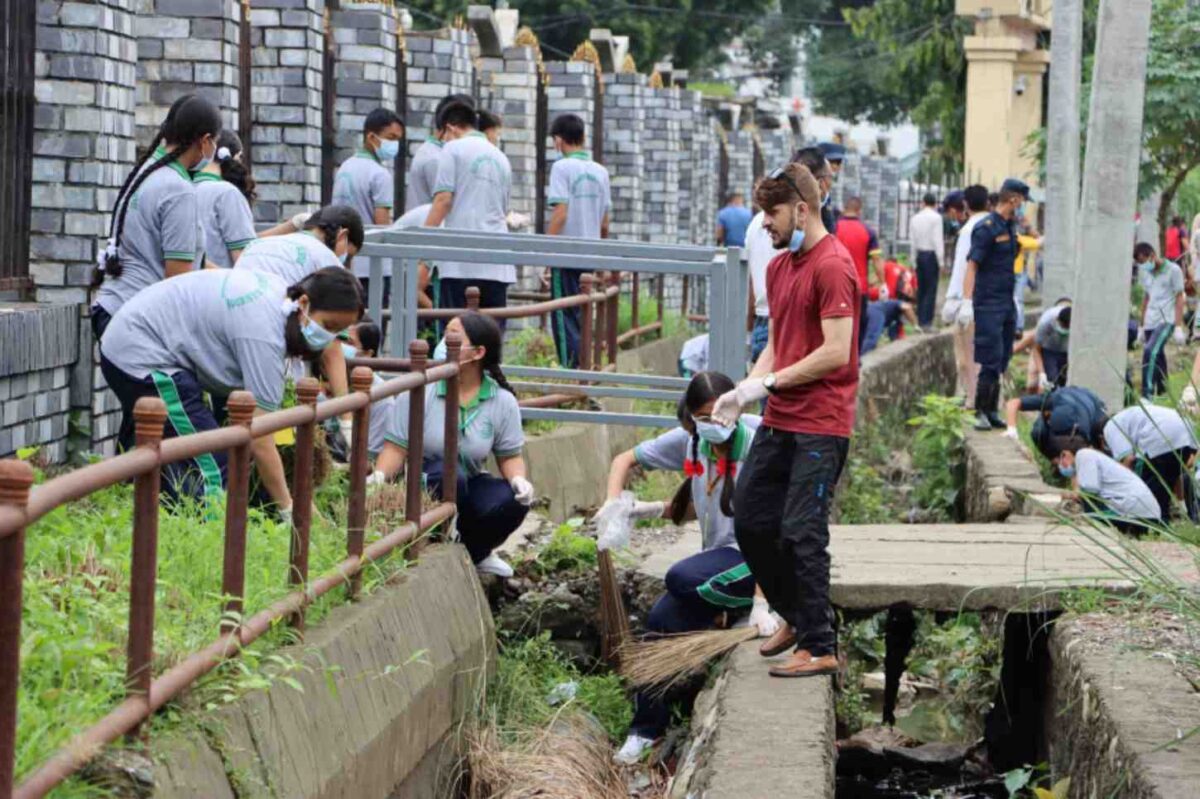
Local volunteering is one of the most powerful forces for positive change in society. Every day, ordinary people give their time, skills, and energy to support their neighbours, improve public spaces, and address challenges within their communities. These acts of service may seem small individually, but collectively, they create lasting impacts that strengthen communities and improve people’s quality of life.
In a world where many social challenges can feel overwhelming, local volunteering reminds us that meaningful change often begins at the grassroots level. Whether it’s organising community clean-ups, mentoring young people, assisting the elderly, or supporting local charities, volunteers play an essential role in building stronger, more connected societies.
Creating Meaningful Connections
One of the greatest benefits of local volunteering is its ability to bring people together.
Communities are made up of individuals from different backgrounds, cultures, and experiences. Volunteering creates opportunities for these people to work side by side toward shared goals. Through these activities, strangers become acquaintances, acquaintances become friends, and neighbourhoods become more united.
People who volunteer regularly often report feeling more connected to their communities and more optimistic about the future. Shared experiences foster trust, understanding, and cooperation, all of which are essential ingredients for strong and resilient communities.
These social connections also help reduce loneliness and isolation. For many people, volunteering provides a sense of belonging and reminds them that they are valuable members of a larger community.
Solving Local Problems Together
Every community faces unique challenges. Some struggle with environmental issues such as litter and neglected public spaces, while others face social problems such as youth disengagement, loneliness among elderly residents, or limited community services.
Local volunteers are often best positioned to address these challenges because they understand the specific needs of their neighbourhoods. Their knowledge of local circumstances enables them to identify practical solutions and respond quickly when problems arise.
Community clean-up campaigns, neighbourhood watch programmes, youth mentorship initiatives, and food distribution projects are just a few examples of how volunteers are making a difference.
By participating in these efforts, residents move beyond being passive observers and become active problem-solvers and community leaders.
Building Skills and Confidence
Volunteering is not only beneficial to communities—it also transforms the lives of volunteers themselves.
Through volunteer work, individuals develop valuable skills such as communication, teamwork, leadership, organisation, and problem-solving. These experiences often increase confidence and provide opportunities for personal growth.
Young people, in particular, gain significant benefits from volunteering. Participating in community projects helps them develop responsibility, empathy, and a stronger sense of civic duty. It also allows them to gain practical experience that can be useful in education and future careers.
Many volunteers discover hidden talents, explore new interests, and even identify career paths through their community involvement. The confidence gained from helping others often inspires people to take on greater responsibilities both within and beyond their communities.
Strengthening Community Resilience
Strong communities are those that can adapt, recover, and support one another during difficult times. Local volunteering plays a critical role in building this resilience.
When emergencies occur, volunteers are often among the first people to provide assistance. They organise relief efforts, distribute resources, and support vulnerable individuals. Even outside times of crisis, volunteer networks create systems of support that make communities more capable of addressing future challenges.
Communities with active volunteer participation often experience higher levels of trust and cooperation. Residents become more willing to help one another and more committed to collective wellbeing.
This culture of mutual support creates neighbourhoods that are better equipped to face social, economic, and environmental challenges.
Inspiring Civic Participation
Volunteering encourages people to become more engaged in the issues affecting their communities.
Individuals who volunteer often develop a deeper understanding of local challenges and a stronger sense of responsibility toward addressing them. This increased awareness can inspire greater participation in community meetings, local initiatives, and civic activities.
Volunteerism teaches an important lesson: every individual has the ability to contribute to positive change. Communities become stronger when residents recognise that their actions matter and that collective efforts can produce meaningful results.
Looking Ahead
As societies continue to evolve and communities face new challenges, local volunteering remains one of the most effective ways to foster social cohesion and community development.
Technology may change how people connect and organise, but the fundamental value of helping others remains unchanged. Across the world, volunteers continue to demonstrate that compassion, cooperation, and active citizenship can transform communities from the ground up.
The future of strong communities depends not only on governments and institutions but also on ordinary people who are willing to give their time and talents in service to others.
Conclusion
Local volunteering is building stronger communities by fostering connection, solving problems, and empowering residents. When people dedicate their time to helping others, they create a ripple effect of kindness, trust, and cooperation that benefits everyone.
This citizen-driven approach demonstrates that real and lasting change often begins with small acts of service. Every hour spent mentoring a young person, cleaning a neighbourhood park, or supporting a community project contributes to building more supportive, resilient, and united communities.
As more people embrace the spirit of volunteering, communities become places where people do not simply live side by side—they work together, care for one another, and actively shape a better future for everyone.
