The Power of Local Volunteering in Building Stronger Communities
June 22, 2026Telling Your Story on SINNTS TECH LTD
June 24, 2026
Introduction
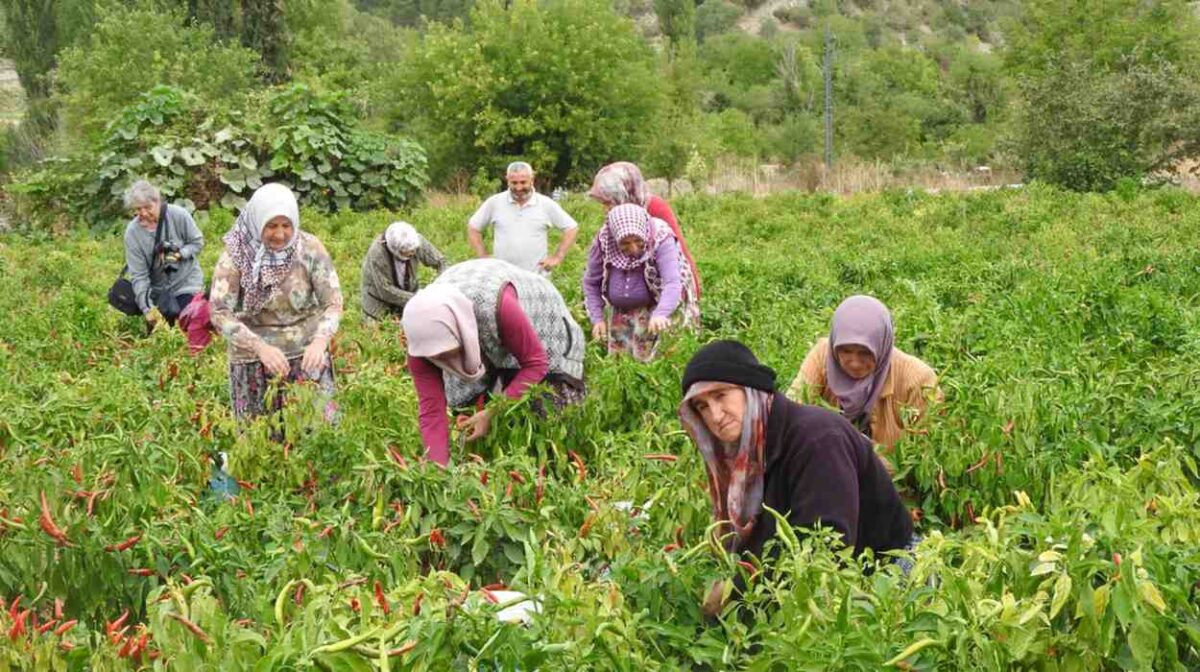
Community gardens are transforming neighbourhoods by turning unused land into vibrant spaces where people grow food, build relationships, and create positive change. These shared gardens are much more than places for planting vegetables and flowers—they are centres of community engagement, environmental improvement, and social connection.
Across cities and towns around the world, community gardens are proving that even small pieces of land can become powerful tools for change. They create opportunities for people to work together, improve food security, beautify neglected spaces, and strengthen neighbourhood identity. As urban populations continue to grow and communities seek sustainable ways to improve quality of life, community gardens are becoming increasingly important.
Bringing People Together
One of the most remarkable benefits of community gardens is their ability to connect people.
In many neighbourhoods, residents live side by side for years without truly knowing one another. Community gardens change this by creating spaces where people gather regularly, work toward common goals, and build meaningful relationships. Neighbours who might never have spoken before find themselves sharing gardening tips, exchanging seeds, lending tools, and discussing community concerns.
These interactions help build trust and strengthen social bonds. Gardens naturally bring together people of different ages, cultures, and backgrounds, creating opportunities for cooperation and understanding. Children learn from older gardeners, experienced growers mentor beginners, and families participate in activities together.
Community gardens also help reduce feelings of loneliness and social isolation. For many people, especially older adults and newcomers to a neighbourhood, the garden becomes a place of friendship, belonging, and support.
Improving Food Security and Nutrition
Access to affordable and nutritious food remains a challenge in many communities. Community gardens provide a practical solution by enabling residents to grow fresh fruits, vegetables, and herbs close to home.
Families can supplement their diets with healthy produce while reducing grocery expenses. Freshly harvested vegetables often contain higher nutritional value and encourage healthier eating habits. Children who participate in gardening activities are also more likely to develop positive attitudes toward fruits and vegetables.
Many community gardens extend their impact even further by donating excess produce to food banks, shelters, and vulnerable households. In this way, community gardening not only benefits individual participants but also contributes to broader food security within the neighbourhood.
As food prices continue to rise in many parts of the world, community gardens offer a sustainable and community-driven approach to improving access to healthy food.
Supporting Physical and Mental Wellbeing
Gardening is an activity that benefits both the body and the mind.
Working in a garden involves physical tasks such as digging, planting, watering, and weeding, all of which contribute to regular exercise. These activities improve flexibility, strength, and overall physical fitness while encouraging people to spend more time outdoors.
The mental health benefits of gardening are equally significant. Spending time in green spaces has been associated with reduced stress, lower anxiety levels, and improved mood. Gardening encourages mindfulness, patience, and a sense of accomplishment.
For many people, tending plants provides a peaceful escape from the pressures of daily life. Watching seeds grow into healthy plants creates feelings of hope, satisfaction, and purpose. Community gardens therefore serve not only as food-producing spaces but also as environments that promote emotional wellbeing and resilience.
Revitalising Neglected Spaces
Many urban areas contain vacant lots, abandoned spaces, and neglected land that can become sources of environmental and social problems. Community gardens offer an effective way to transform these underutilised areas into attractive and productive community assets.
What was once an empty or poorly maintained space can become a thriving garden filled with greenery, flowers, and fresh produce. This transformation often improves the overall appearance of the neighbourhood and creates a greater sense of community pride.
Green spaces also contribute to environmental sustainability. Plants improve air quality, help absorb carbon dioxide, support biodiversity, and reduce the urban heat effect by cooling surrounding areas. Gardens can also improve rainwater management by increasing soil absorption and reducing surface runoff.
These environmental benefits make community gardens an important component of creating healthier and more sustainable cities.
Strengthening Community Safety
Community gardens can positively influence neighbourhood safety and social responsibility.
When residents actively use and maintain shared spaces, there is often a greater sense of ownership and vigilance. Gardens encourage people to spend time outdoors, increasing social interaction and informal supervision of public spaces.
In some communities, the revitalisation of neglected land through gardening projects has been associated with reduced vandalism and anti-social behaviour. Well-maintained gardens send a message that residents care about their surroundings and are committed to protecting them.
The shared responsibility involved in maintaining a community garden also encourages cooperation and civic engagement, helping residents become more invested in the wellbeing of their neighbourhood.
Educating Children and Young People
Community gardens are valuable educational environments.
They provide practical learning opportunities that classrooms alone cannot always offer. Children and young people can observe plant life cycles, learn about ecosystems, understand food production, and develop environmental awareness through hands-on experiences.
Gardening teaches important life skills such as responsibility, patience, teamwork, and problem-solving. Young participants learn that food does not simply appear in supermarkets but requires care, effort, and time to produce.
Educational activities within community gardens often include workshops on nutrition, composting, recycling, and environmental stewardship. These experiences help cultivate future generations that are more informed, environmentally conscious, and engaged with their communities.
Promoting Environmental Sustainability
Community gardens play an important role in promoting sustainable living practices.
Many gardens encourage composting, water conservation, organic growing methods, and the recycling of materials. They reduce the distance food travels from farm to table, helping lower transportation-related emissions and supporting local food production.
Gardens also create habitats for pollinators such as bees and butterflies, contributing to urban biodiversity. By introducing more vegetation into cities and towns, community gardens improve ecological balance while making neighbourhoods greener and more resilient.
As concerns about climate change and environmental degradation continue to grow, community gardens demonstrate how local action can contribute to global sustainability efforts.
The Growing Future of Community Gardens
The popularity of community gardening continues to increase worldwide. Governments, non-governmental organisations, schools, and community groups are increasingly recognising the value of shared green spaces.
Modern community gardens are evolving into multifunctional centres that support food production, environmental education, social interaction, and community development. Some include farmers’ markets, educational programmes, recreational activities, and initiatives that address food insecurity and urban sustainability.
The continued growth of community gardens reflects a broader movement toward building stronger, healthier, and more connected communities.
Conclusion
Community gardens are transforming neighbourhoods by combining food production with social connection, environmental improvement, and community development. They bring people together, improve access to healthy food, revitalise neglected spaces, and create opportunities for education and wellbeing.
These gardens demonstrate that meaningful change does not always require large-scale projects or significant financial investment. Sometimes, a small piece of land and a group of committed residents are enough to create lasting positive change.
As more communities embrace gardening initiatives, they are creating greener, healthier, and more resilient neighbourhoods where people work together, care for their environment, and build stronger connections with one another.
