How Cooperative Housing Models Are Solving Shelter Challenges
June 27, 2026The Future of Community-Powered Internet Access in Underserved Areas
June 28, 2026
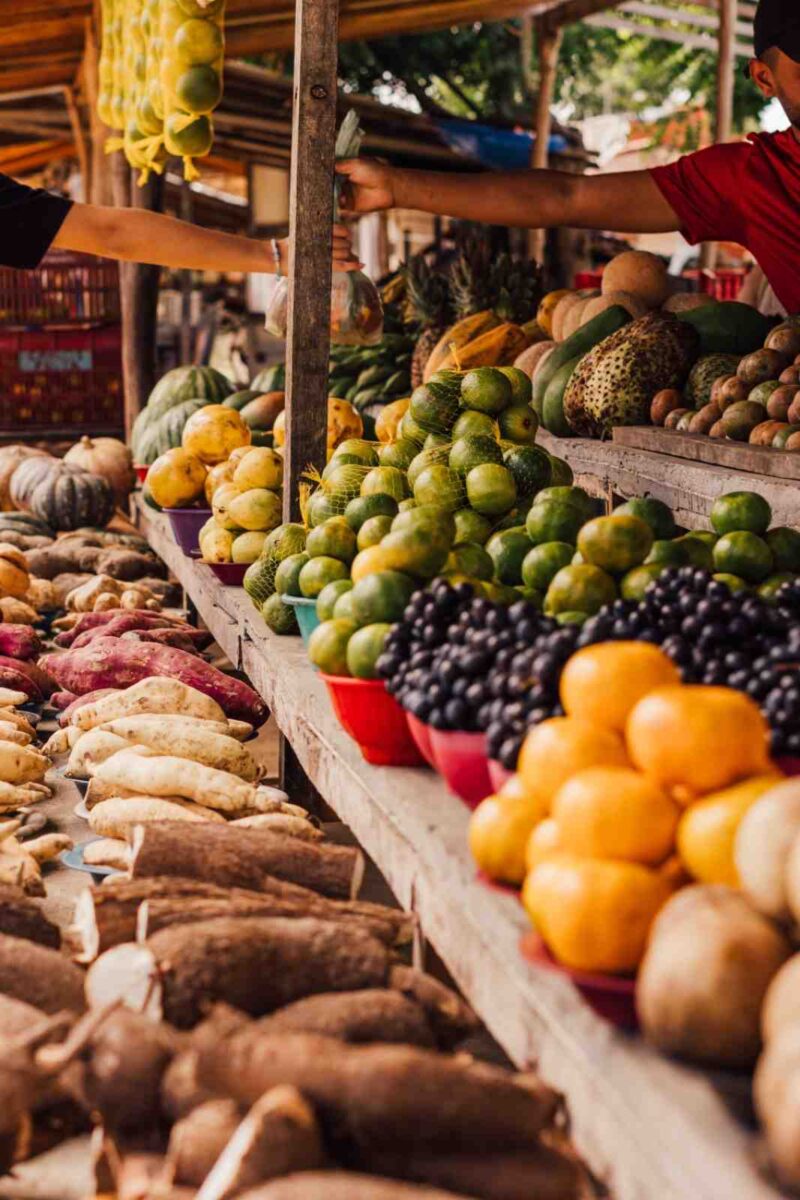
Farmers markets are becoming powerful drivers of local economic growth by reconnecting producers directly with consumers. Instead of relying on long and complex supply chains dominated by large corporations, these markets create direct, transparent, and community-centred exchanges.
Across towns and cities, farmers markets are not only improving access to fresh, affordable food—they are also strengthening small businesses, supporting rural livelihoods, and keeping money circulating within local economies.
Supporting Local Farmers and Producers
One of the most important roles of farmers markets is providing a fair and accessible platform for small-scale farmers and producers.
Many farmers struggle to compete with large agricultural companies that dominate supermarket supply chains. Farmers markets help level the playing field by allowing producers to sell directly to consumers without intermediaries. This means they retain a larger share of profits and can set prices that reflect the true value of their work.
This direct relationship between farmers and buyers also builds trust. Consumers can ask questions about farming methods, production processes, and food quality, while farmers receive immediate feedback from the people who consume their products.
Over time, this interaction encourages better farming practices and stronger customer loyalty.
Keeping Money in the Local Economy
Farmers markets play a critical role in strengthening local economic circulation.
When consumers spend money at these markets, a significant portion of that money stays within the community. Farmers and vendors often reinvest their earnings locally—buying supplies, hiring labour, and supporting other small businesses in the area.
This creates a multiplier effect where money continues to circulate within the local economy rather than flowing out to large national or international corporations.
As a result, communities that support farmers markets often experience greater economic resilience and stability, especially in rural and semi-urban areas.
Creating Jobs and Supporting Small Businesses
Beyond farmers, markets also support a wide range of small business owners and entrepreneurs.
Vendors selling handmade goods, processed foods, crafts, and local services all benefit from the exposure and income generated through regular market days. These opportunities often serve as entry points for small-scale entrepreneurs to grow and expand their businesses.
Additionally, farmers markets create indirect employment opportunities in logistics, packaging, transportation, and market management.
This ecosystem of small businesses contributes to more diversified and self-sustaining local economies.
Encouraging Sustainable Food Systems
Farmers markets are closely linked to sustainable and environmentally friendly agricultural practices.
Many participating farmers use organic or low-impact farming methods that reduce chemical use and protect soil health. Because produce is sold locally, transportation distances are shorter, reducing carbon emissions associated with long supply chains.
Markets also encourage seasonal eating, helping consumers reconnect with natural food cycles and reduce dependence on imported or out-of-season produce.
This shift toward local and sustainable food systems supports both environmental protection and long-term food security.
Strengthening Community Connections
Farmers markets are not just economic spaces—they are social gathering points.
They bring together people from different backgrounds who share an interest in food, health, and community life. Visitors often meet neighbours, engage in conversations with farmers, and participate in local events or food demonstrations.
These interactions help strengthen social bonds and create a stronger sense of community identity. Over time, farmers markets become cultural landmarks where people regularly connect and interact.
Improving Access to Fresh and Healthy Food
Access to fresh food is a major challenge in many communities, particularly in areas far from major retail centres. Farmers markets help bridge this gap by providing direct access to nutritious fruits, vegetables, and other locally produced goods.
Because produce is often harvested shortly before market days, it tends to be fresher and more nutritious than long-distance supermarket alternatives.
This improves dietary habits and supports healthier lifestyles within the community.
Looking Ahead
As global food systems face increasing pressure from climate change, supply chain disruptions, and rising costs, farmers markets are gaining renewed importance.
Governments, NGOs, and local organisations are increasingly recognising their role in building resilient and sustainable food systems. In many regions, digital tools are also being introduced to help farmers manage sales, reach more customers, and improve market efficiency.
The future of food systems is likely to involve a stronger balance between global supply chains and local, community-based markets.
Conclusion
Farmers markets are strengthening local economies by connecting producers directly with consumers, supporting small businesses, and keeping money circulating within communities. They also promote sustainable agriculture, improve access to fresh food, and create vibrant social spaces.
This simple yet powerful model shows that local food systems can deliver both economic and social benefits. As more communities invest in farmers markets, they are building stronger, healthier, and more self-reliant local economies.
