How Mobile Health Apps Are Reaching Remote Areas
June 29, 2026The Promise of Solar Energy Solutions in Off-Grid Communities
June 30, 2026
In today’s digital world, breaking news is no longer the exclusive domain of television stations, newspaper companies, or professional reporters. With just a smartphone and an internet connection, ordinary people can now capture events as they happen, share them instantly, and influence public conversations on a global scale.
We are living in the age of citizen journalism—a transformation that is reshaping how information is created, shared, and consumed.
From Audience to Reporter
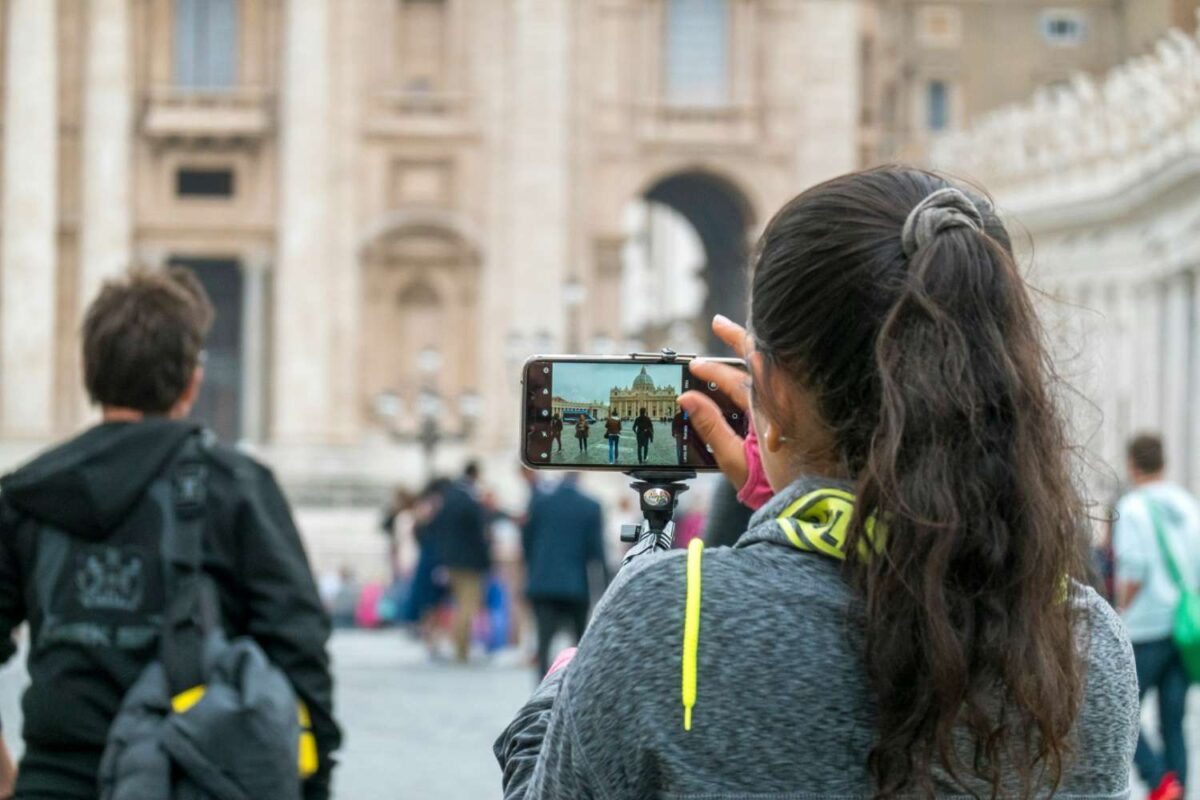
There was a time when the public relied entirely on professional journalists to understand what was happening in the world. News traveled through formal channels, and audiences waited patiently for updates from trusted media houses.
That model has now changed.
Today, ordinary citizens are often the first to report breaking events. Whether it is a road accident, a political rally, a protest, a fire outbreak, or a community celebration, people on the scene can instantly document and share what they see.
With social media platforms like X (Twitter), Facebook, Instagram, TikTok, and YouTube, a short video or photo can reach thousands—or even millions—within minutes.
This shift has fundamentally changed the flow of information:
- News is now instant
- Information is decentralized
- The public is both consumer and creator
In this new environment, journalism is no longer limited to professionals. It has become a shared public activity.
The Power of Social Media
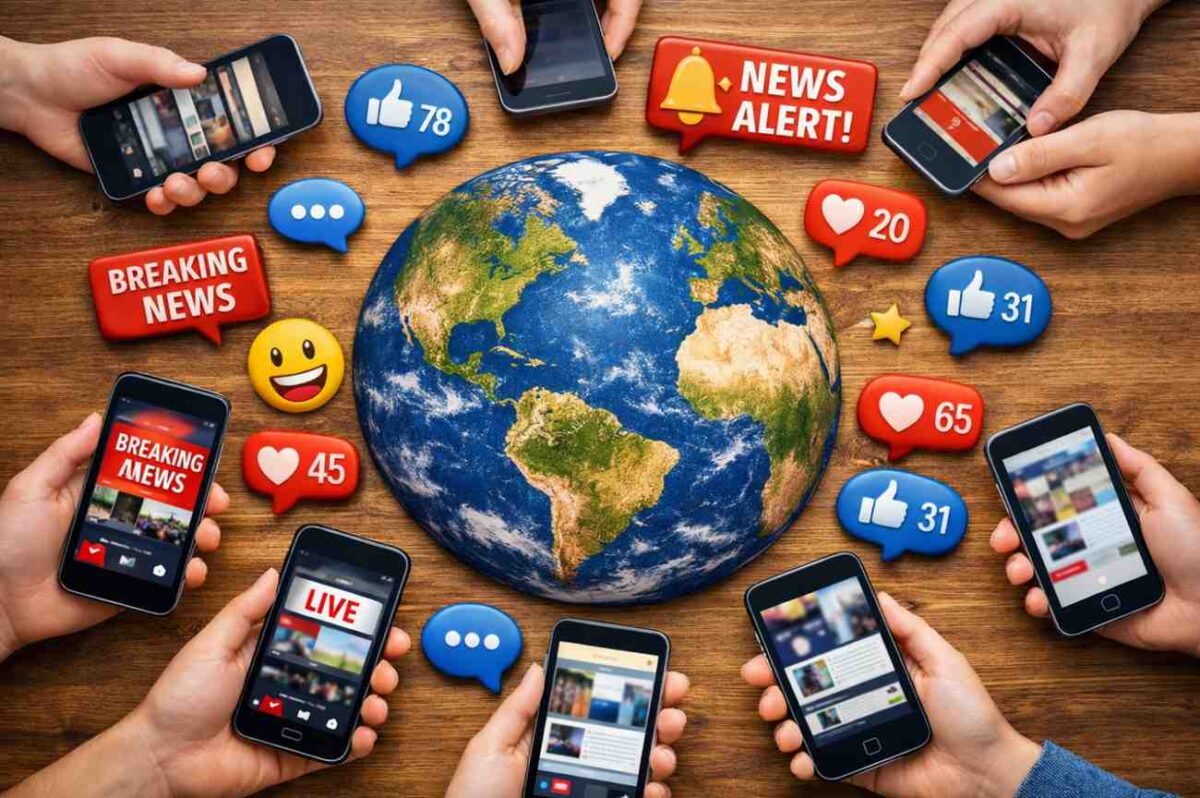
Social media has become the backbone of modern communication. It has removed geographical barriers and made it possible for information to travel across the world in real time.
A story that begins in a small town can become a global headline within hours.
During emergencies such as natural disasters, floods, accidents, or political unrest, citizen journalists often provide the first visual evidence and live updates from the scene. These real-time reports can:
- Help communities stay informed faster
- Alert authorities to urgent situations
- Draw international attention to local issues
- Support rescue and humanitarian efforts
This new information ecosystem has given ordinary individuals unprecedented influence. A single smartphone user can now shape public awareness in ways that were once only possible for major media organizations.
Social media has not just changed communication—it has redefined power in storytelling.
The Responsibility That Comes With Influence
With the power to publish comes a serious responsibility.
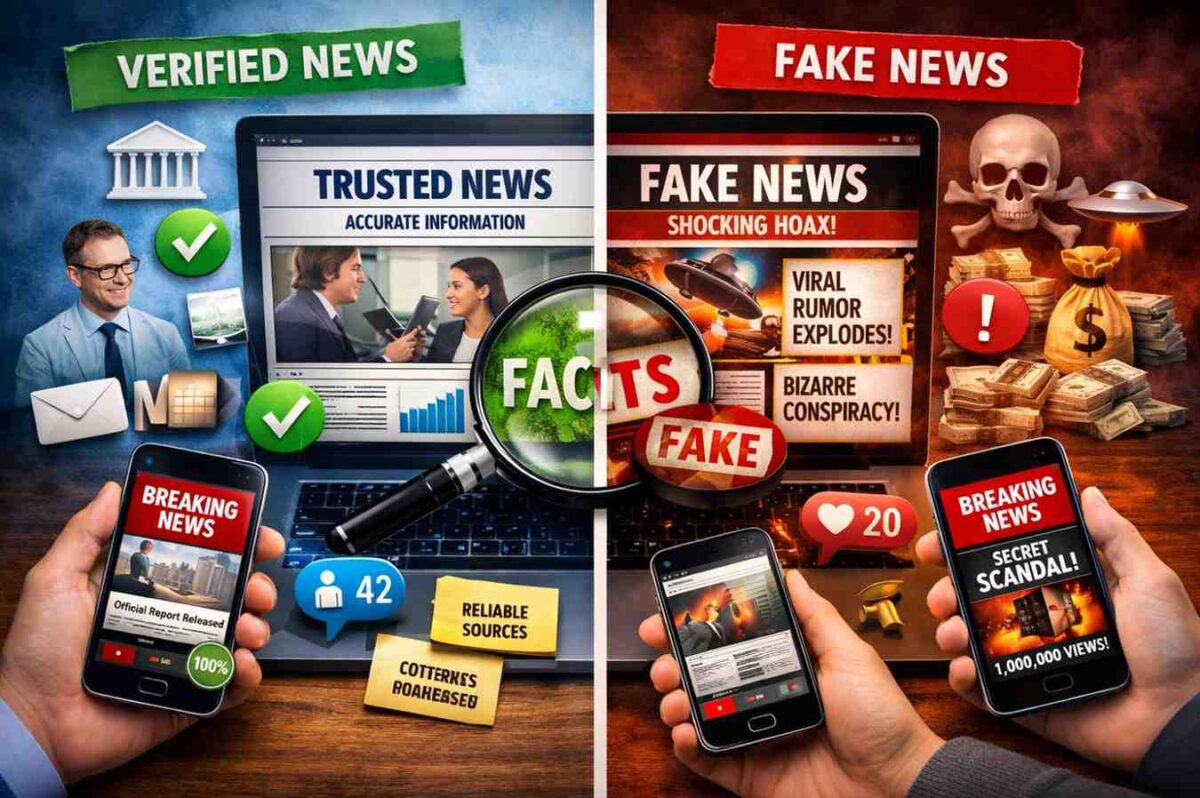
Not everything shared online is accurate. In fact, misinformation and fake news spread just as quickly—if not faster—than verified reports. A single misleading post can create panic, confusion, or even harm individuals and communities.
This is one of the biggest challenges of citizen journalism.
Responsible citizen journalists must practice:
- Verification: Confirming facts before sharing
- Accuracy: Avoiding assumptions and rumors
- Respect for privacy: Protecting individuals’ identities where necessary
- Ethical reporting: Avoiding sensationalism or manipulated content
In journalism, speed matters—but truth matters more.
Being the first to report something is valuable, but being correct is essential. The credibility of information depends on responsibility, not just visibility.
The Future of Journalism Belongs to Everyone
We are entering a new era where information is more democratic than ever before.
Professional journalism remains vital. News organizations provide structure, investigation, fact-checking, and accountability. However, citizen journalism is becoming an equally important force in shaping how societies understand the world.
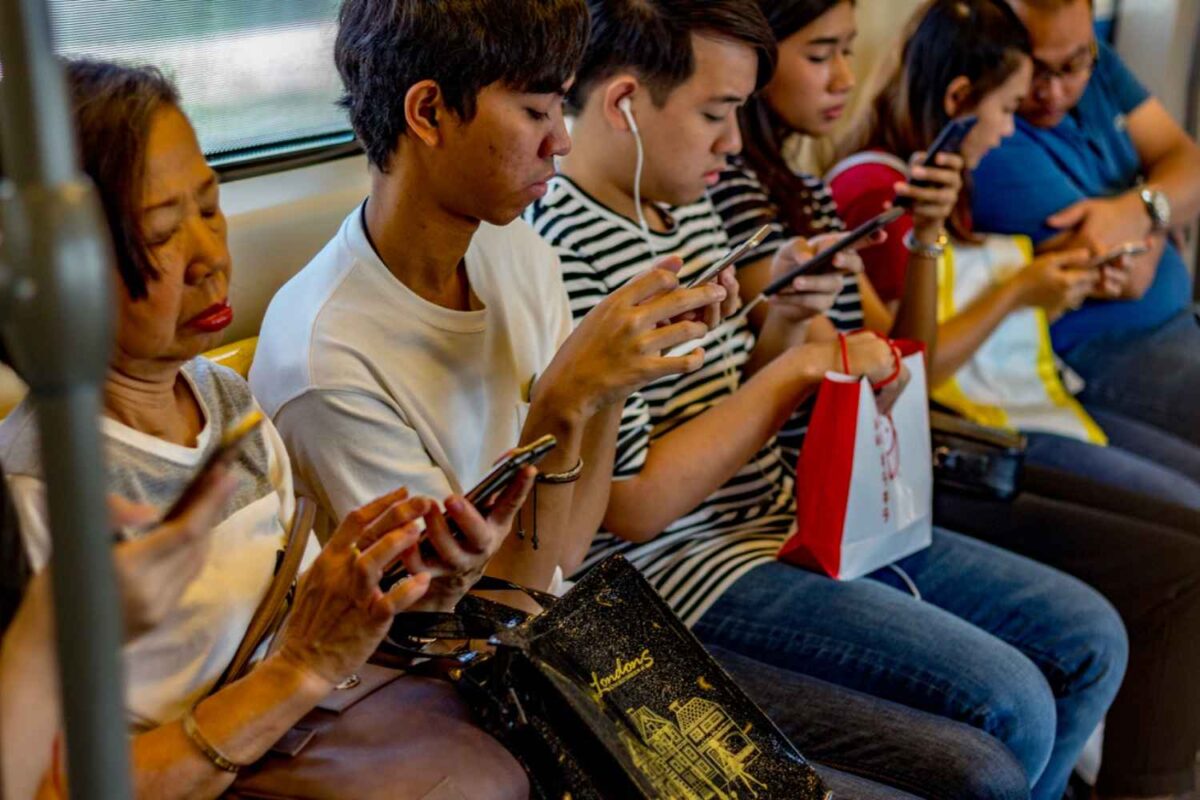
Today, the smartphone in your hand is more than a communication device. It is:
- A recording studio
- A broadcasting platform
- A news agency in your pocket
The future of journalism will be shaped by a hybrid system where professionals and citizens work in parallel to document reality.
Increasingly, stories about the world are not only written by media organizations but also by everyday people who choose to observe, record, and share what they see.
This shift represents a powerful truth:
The ability to tell the world’s stories is no longer limited—it is distributed.
Conclusion
Citizen journalism is not just a trend; it is a structural transformation of global communication. It empowers individuals, strengthens transparency, and accelerates information flow—but it also demands greater responsibility from everyone involved.
As we move deeper into the digital age, one thing is clear:
everyone is now a potential journalist.
How we use that power will determine whether it builds understanding—or spreads confusion.
