How Hybrid Community Learning Centers Are Evolving
August 6, 2026How Community Gardens Are Improving Nutrition and Strengthening Local Communities
August 10, 2026
Introduction
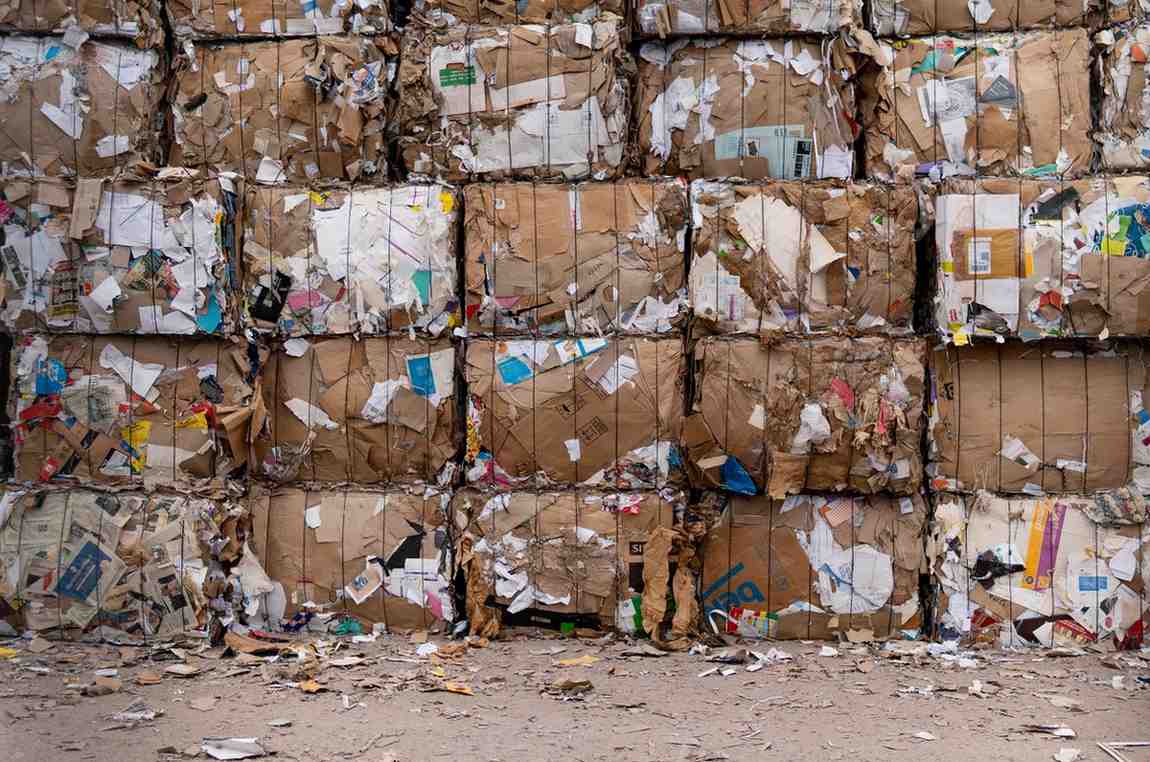
Communities around the world are rethinking how they use resources, and local circular economy projects are leading the way. Instead of following the traditional “take, make, and dispose” approach, these initiatives encourage people to keep products and materials in use for as long as possible through reuse, repair, recycling, and sharing.
As concerns about pollution, overflowing landfills, and climate change continue to grow, local communities are discovering that sustainable solutions often begin close to home. From neighbourhood repair workshops to community composting programmes, circular economy projects are proving that waste can become an opportunity rather than a problem.
This article explores how local circular economy projects are reducing waste, creating economic opportunities, and building more sustainable communities.
What Is a Circular Economy?
A circular economy is an economic system designed to minimise waste and maximise the value of resources. Rather than throwing products away after they have been used, materials are repaired, refurbished, reused, recycled, or repurposed so they remain in circulation for as long as possible.
This approach reduces pressure on natural resources, lowers greenhouse gas emissions, and decreases the amount of waste sent to landfills. More importantly, it encourages communities to see waste not as something to discard, but as a valuable resource that can be given a second life.
Turning Waste into Valuable Resources
One of the biggest successes of local circular economy projects is their ability to transform waste into useful products.
Across many communities, repair cafés are helping residents fix broken electronics, furniture, clothing, bicycles, and household appliances instead of throwing them away. Volunteers and skilled technicians work together to repair items, saving money while reducing unnecessary waste.
Tool libraries are another innovative solution. Instead of purchasing expensive tools that may only be used occasionally, residents can borrow them whenever needed. This reduces consumption, saves money, and encourages responsible use of resources.
Upcycling workshops also play an important role by teaching people how to convert discarded materials into new products. Old furniture can become stylish home décor, glass bottles can be transformed into decorative items, and unused wood can be crafted into practical household furniture.
Community composting projects further reduce waste by turning food scraps and garden waste into nutrient-rich compost that supports local gardens, farms, and green spaces.
Creating Local Economic Opportunities
Circular economy initiatives do more than protect the environment—they also strengthen local economies.
Repair services, recycling centres, refurbishment businesses, and upcycling enterprises create employment opportunities for skilled workers, artisans, and entrepreneurs. Many small businesses are finding new income streams by restoring products that would otherwise end up in landfill.
Families also benefit financially. Repairing an appliance is often much cheaper than buying a new one, while borrowing equipment through community sharing programmes reduces unnecessary household expenses.
Keeping products in circulation also means that more money stays within the local economy, helping businesses grow and creating a stronger sense of economic resilience.
Building Environmental Awareness
Participating in circular economy activities helps people better understand the environmental impact of their everyday choices.
As residents become involved in recycling programmes, repair events, and resource-sharing initiatives, they begin to think differently about consumption. Instead of replacing products at the first sign of damage, many people choose to repair them. Others become more selective when shopping, choosing durable products that can be repaired or recycled.
Schools, community organisations, and local governments also play an important role by educating people about waste reduction, sustainable consumption, and responsible resource management.
Over time, these efforts help create a culture where sustainability becomes part of everyday life rather than an occasional activity.
Strengthening Community Connections
Local circular economy projects also bring people together.
Repair workshops encourage neighbours to share practical skills, while swap events, recycling drives, and community gardens create opportunities for residents to work toward common goals. These activities strengthen social relationships and encourage collaboration across different age groups and backgrounds.
Communities that work together to reduce waste often become more resilient because they already have strong networks that can support future environmental and social initiatives.
Challenges to Expanding Circular Economy Projects
Although circular economy initiatives continue to grow, they still face several challenges. Limited funding, lack of public awareness, inadequate recycling infrastructure, and resistance to changing long-established habits can slow progress.
However, as governments, businesses, educational institutions, and community organisations continue to invest in sustainable development, these barriers are gradually being addressed through improved policies, education, and innovation.
Conclusion
Local circular economy projects are proving that sustainable living begins within our own communities. By encouraging reuse, repair, recycling, sharing, and responsible consumption, these initiatives reduce waste while creating economic opportunities and protecting the environment.
More importantly, they demonstrate that every resident has a role to play in building a cleaner and more resilient future. Whether repairing a broken appliance, borrowing instead of buying, composting food waste, or supporting local recycling programmes, small actions can collectively produce significant long-term results.
As more communities embrace circular economy principles, they are creating healthier environments, stronger local economies, and a more sustainable future for generations to come.
