How Women’s Leadership in Community Development Is Growing
August 6, 2026How Local Circular Economy Projects Are Reducing Waste
August 6, 2026
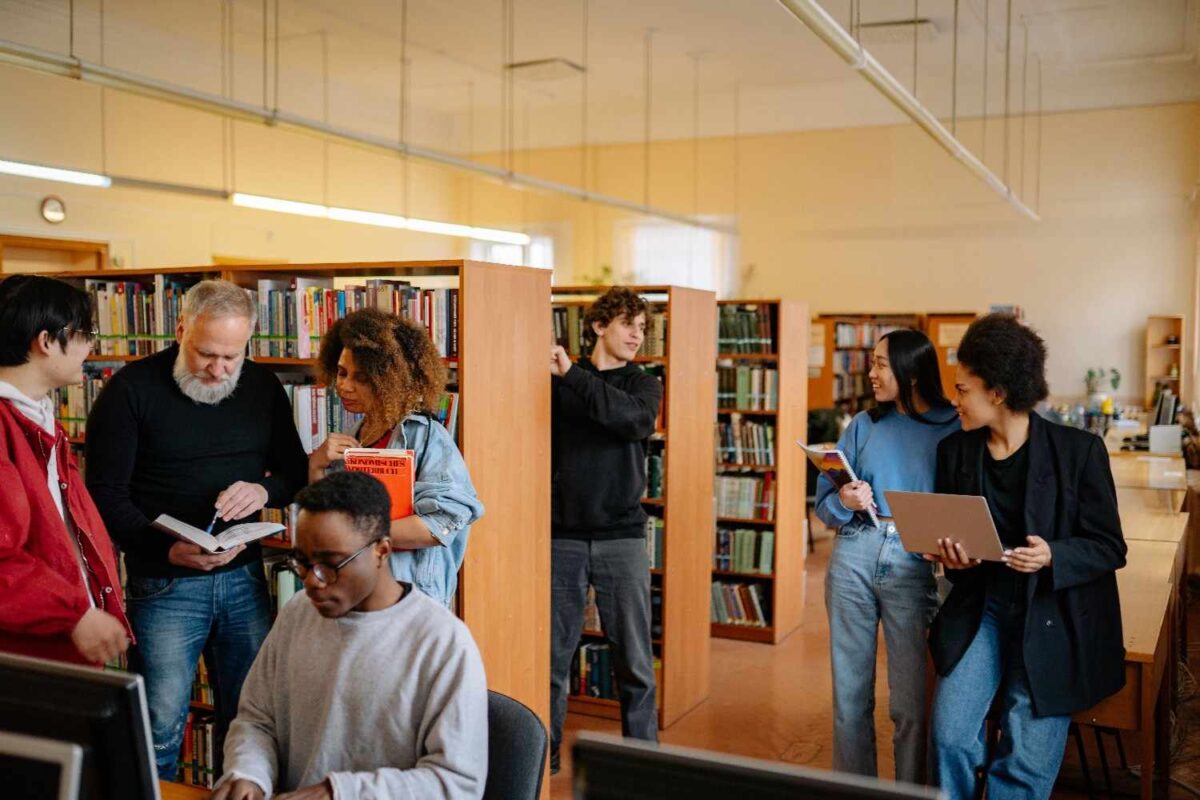
Education is no longer confined to traditional classrooms. Across many communities, hybrid learning centers are transforming the way people access knowledge by combining face-to-face instruction with digital learning opportunities. These centers are creating more flexible, inclusive, and accessible educational environments that meet the needs of learners of all ages.
By blending physical learning spaces with online resources, hybrid community learning centers are making education more adaptable to modern lifestyles. Whether someone is a student, a working professional, a parent, or a retiree looking to learn new skills, hybrid models offer opportunities that fit different schedules, abilities, and circumstances.
Increasing Access and Flexibility
One of the greatest advantages of hybrid community learning centers is their ability to make education accessible to more people. Not everyone can attend classes at fixed times or travel long distances to educational institutions. Hybrid models remove many of these barriers by allowing learners to combine in-person sessions with online study.
A working adult might attend weekend workshops while completing assignments online during the week. Parents can learn at times that fit around family responsibilities, and people living in remote communities can access educational resources without relocating or making frequent journeys.
This flexibility helps ensure that learning remains available throughout different stages of life.
Combining the Best of Physical and Digital Learning
Traditional classroom learning offers valuable benefits that technology cannot fully replace. Face-to-face interaction encourages discussion, teamwork, practical demonstrations, and immediate feedback from instructors. It also helps learners build relationships and develop communication skills.
Digital learning, however, brings its own strengths. Online platforms provide access to a wide range of educational materials, recorded lessons, interactive exercises, and expert knowledge from around the world. Learners can often study at their own pace and revisit lessons whenever necessary.
Hybrid community learning centers successfully combine these two approaches, creating richer and more engaging learning experiences that maximise the strengths of both environments.
Responding to Local Community Needs
Every community has unique educational priorities, and successful hybrid learning centers are designed around those local needs. Rather than offering a one-size-fits-all approach, many centers provide programmes that directly benefit the people they serve.
These may include digital literacy courses, vocational and technical skills training, entrepreneurship programmes, language classes, health education, financial literacy, environmental awareness, and cultural preservation initiatives.
By listening to community members and adapting their services, hybrid learning centers remain relevant and continue to attract learners from diverse backgrounds.
Supporting Lifelong Learning
Learning should not end after formal education. Hybrid community learning centers encourage lifelong learning by making it easier for people to update their knowledge, develop new skills, and adapt to changing economic and technological environments.
As industries evolve and digital technologies become increasingly important, continuous education allows individuals to remain competitive in the workforce while improving their personal development. Older adults also benefit from opportunities to learn new technologies, participate in community activities, and remain socially connected.
This culture of lifelong learning strengthens both individuals and communities.
Building Stronger and More Connected Communities
Hybrid learning centers do more than provide education—they also strengthen community relationships. Physical learning spaces create opportunities for collaboration, networking, mentorship, and peer support, while digital platforms extend these connections beyond geographical boundaries.
Residents can share experiences, exchange ideas, collaborate on local projects, and learn from experts in other regions or countries. These connections encourage innovation and create stronger networks that benefit the entire community.
When education becomes a shared community experience, people are more likely to work together to solve local challenges and support one another.
Looking Ahead
The future of education will likely continue to combine physical and digital learning. Advances in technology, improved internet access, and growing digital skills are making hybrid education more practical and effective than ever before.
Community learning centers that embrace innovation while maintaining strong local connections will be well positioned to serve future generations. Their ability to adapt to changing educational needs will help ensure that learning remains accessible, inclusive, and relevant.
Conclusion
Hybrid community learning centers are evolving because they bring together the strengths of in-person interaction and digital learning. By offering flexible access, responding to local needs, and supporting lifelong education, these centers are helping communities build stronger foundations for the future.
As more communities adopt hybrid learning models, education is becoming more inclusive, resilient, and responsive to the realities of modern life. This citizen-driven approach demonstrates that meaningful learning can take place both inside community spaces and across digital platforms, creating opportunities for everyone to grow and succeed.
