How Inclusive Sports and Recreation Programs Foster Belonging and Health
July 14, 2026Why Community Nutrition Education Campaigns Improve Public Health
July 15, 2026
By Odebiyi Olufemi | CitizenPulseMedia.com
Introduction
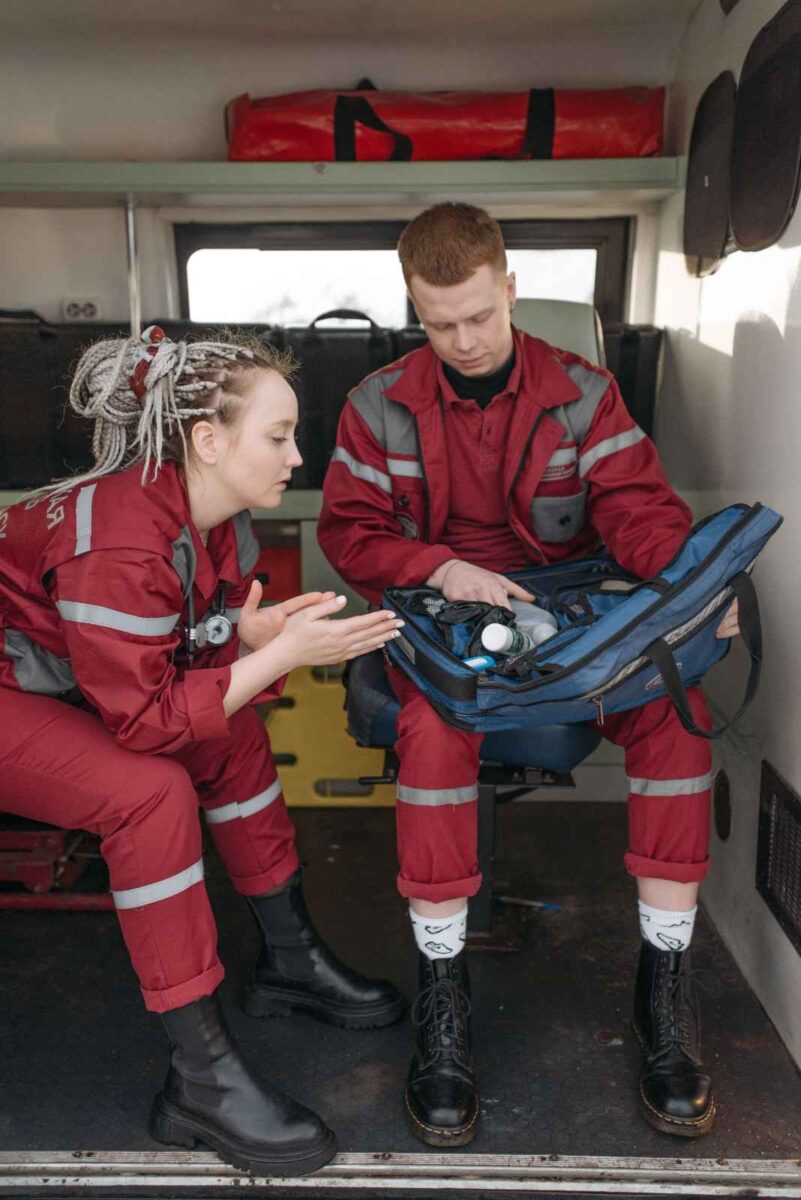
Emergencies can happen at any time, and the first few minutes often determine the outcome. Community first aid and emergency response teams are empowering ordinary citizens with the skills and confidence to respond quickly before professional emergency services arrive.
By training local volunteers, communities are becoming better prepared to handle accidents, natural disasters, medical emergencies, and other unexpected situations, ultimately saving lives and strengthening community resilience.
Training Ordinary People to Save Lives
Community emergency response programmes equip volunteers with practical life-saving skills.
Training often includes:
- Basic first aid
- CPR (Cardiopulmonary Resuscitation)
- Bleeding control
- Burn treatment
- Fracture management
- Fire safety
- Disaster preparedness
- Emergency communication
Regular refresher training helps volunteers stay prepared and confident.
Responding Quickly During Emergencies
The first few minutes after an emergency are critical.
Community response teams can:
- Provide immediate first aid
- Stabilize injured individuals
- Contact emergency services
- Guide evacuations
- Support rescue efforts
- Protect vulnerable community members
Quick action can reduce injuries, prevent complications, and save lives.
Building Community Resilience
Emergency response teams do more than respond to crises.
They also help communities:
- Identify local risks
- Organize disaster preparedness drills
- Educate residents on safety practices
- Develop emergency response plans
- Strengthen cooperation among neighbours
Prepared communities recover more quickly from emergencies and disasters.
Encouraging a Culture of Preparedness
When people receive first aid training, they become more confident in helping others.
Communities benefit from:
- Increased volunteer participation
- Stronger neighbourhood relationships
- Greater public awareness
- Improved disaster readiness
- Enhanced community safety
A culture of preparedness encourages everyone to take responsibility for protecting one another.
Conclusion
Community first aid and emergency response teams are strengthening neighbourhoods by preparing ordinary people to act during emergencies.
Through practical training, teamwork, and community cooperation, these volunteers save lives, reduce the impact of disasters, and build safer, more resilient communities. As more people learn emergency response skills, communities become better equipped to face challenges with confidence and compassion.
