The Rise of Community First Aid and Emergency Response Teams
July 14, 2026How Community-Based Mental Wellness Programs Are Reducing Stigma
July 16, 2026
By Odebiyi Olufemi | CitizenPulseMedia.com
Introduction
Good nutrition is one of the foundations of a healthy life, yet many families struggle to make informed food choices due to limited knowledge, misinformation, or lack of access to nutrition education.
Community nutrition education campaigns are helping to change this by teaching practical, affordable, and locally relevant ways to eat healthier. These initiatives empower families to improve their diets, prevent disease, and build healthier communities.
Practical Knowledge for Everyday Living
Successful nutrition campaigns focus on simple actions that people can apply immediately.
Topics often include:
- Preparing balanced meals
- Choosing nutritious local foods
- Safe food handling and storage
- Kitchen gardening
- Breastfeeding and child nutrition
- Preventing malnutrition
- Reading food labels
- Healthy cooking methods
Hands-on demonstrations make learning more engaging and easier to remember.
Reaching the Whole Community
Nutrition education has the greatest impact when everyone participates.
Campaigns often involve:
- Parents
- Children
- Teachers
- Community leaders
- Health workers
- Local volunteers
When families learn together, healthy habits become easier to maintain across generations.
Improving Public Health
Communities that receive consistent nutrition education often experience significant health improvements.
These include:
- Lower rates of malnutrition
- Healthier child growth and development
- Reduced diet-related diseases
- Stronger immune systems
- Increased energy and productivity
- Better maternal health
Improved nutrition also reduces pressure on local healthcare services.
Supporting Food Security
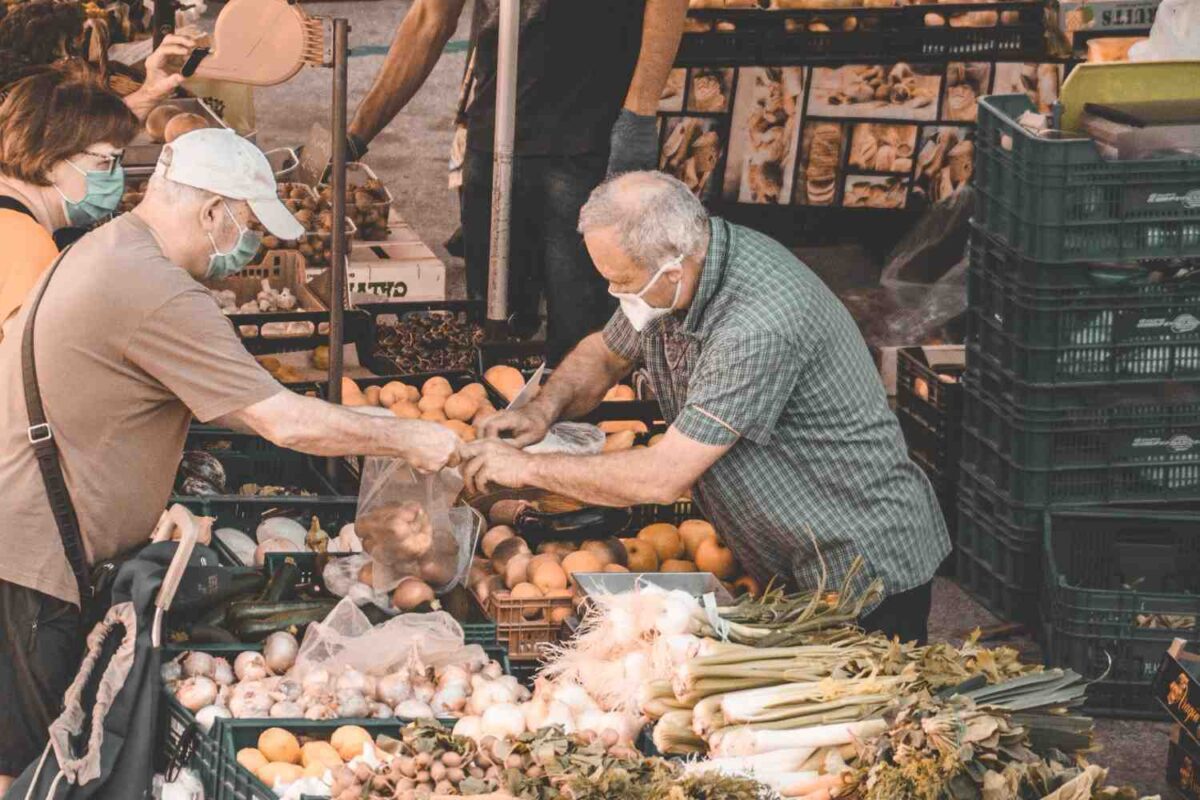
Nutrition campaigns encourage communities to make better use of available resources.
They promote:
- Growing home gardens
- Reducing food waste
- Preserving seasonal foods
- Eating a wider variety of nutritious foods
- Supporting local food production
These practices strengthen household food security and improve long-term resilience.
Conclusion
Community nutrition education campaigns improve public health by turning nutrition knowledge into everyday healthy habits.
By teaching practical skills, encouraging healthier food choices, and involving entire communities, these initiatives reduce disease, strengthen families, and promote lasting wellbeing. As more communities invest in nutrition education, they create healthier generations and more resilient food systems.
