How Community-Based Mental Wellness Programs Are Reducing Stigma
July 16, 2026Community Innovation Hubs: Turning Local Ideas into Lasting Solutions
July 16, 2026
By Odebiyi Olufemi | CitizenPulseMedia.com
Introduction
Access to quality healthcare should not depend on where people live. Yet in many remote villages and underserved communities, distance, transportation challenges, and limited medical facilities make it difficult for people to receive timely care.
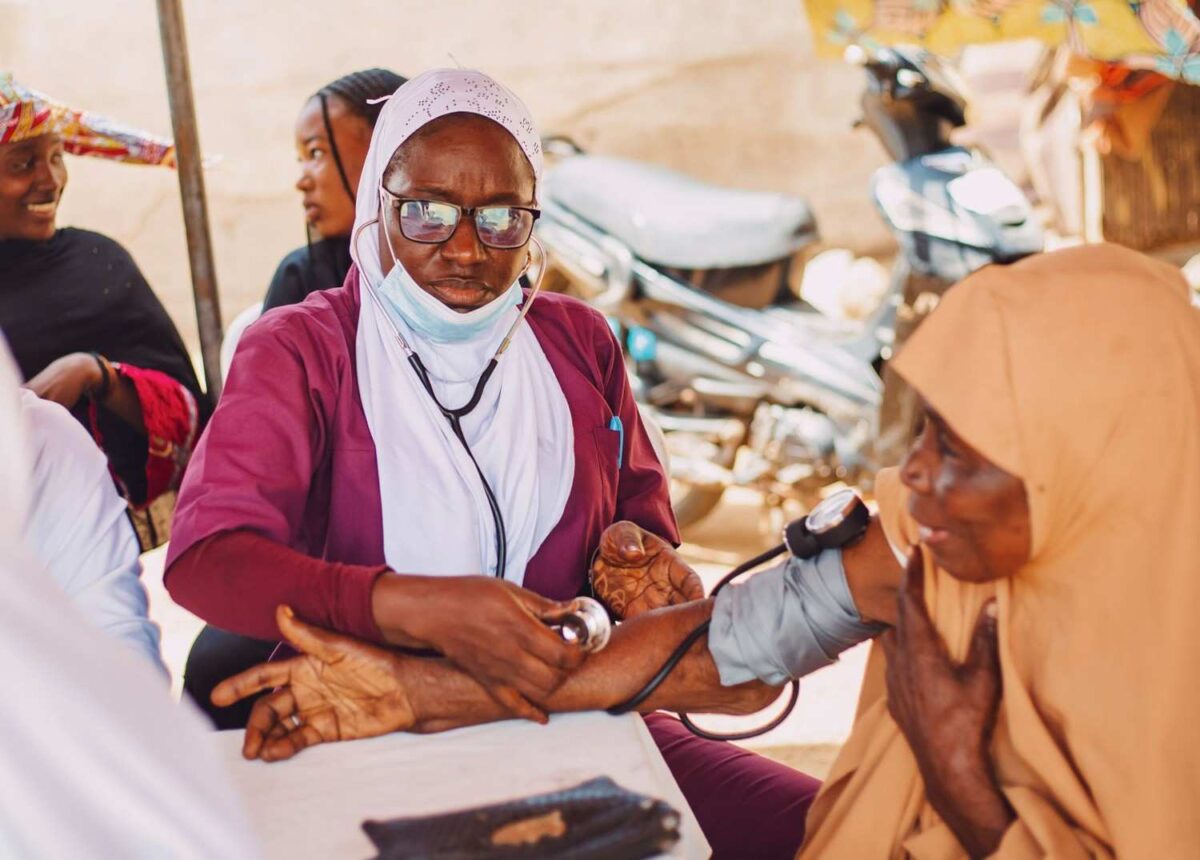
Mobile and community health clinics are changing this reality by bringing essential healthcare services directly to the people who need them most. These clinics improve access to medical care, promote disease prevention, and strengthen community health through trusted local partnerships.
Bringing Healthcare Closer to Communities
Rather than expecting patients to travel long distances, mobile clinics visit communities on scheduled days, while community clinics operate from accessible local locations.
Services commonly include:
- General medical check-ups
- Vaccinations and immunizations
- Maternal and child healthcare
- Family planning services
- Disease screening
- Health education
- Basic laboratory tests
- Essential medicines
By bringing healthcare closer to home, families save time, reduce travel costs, and receive treatment earlier.
Building Trust Through Local Care
Regular visits by healthcare professionals help build lasting relationships with community members.
When people know and trust their healthcare providers, they are more likely to:
- Attend routine check-ups
- Follow medical advice
- Complete treatments
- Participate in vaccination programmes
- Seek care before illnesses become severe
Community involvement also helps improve the quality and effectiveness of healthcare services.
Reducing Health Inequalities
Mobile and community clinics play an important role in reaching people who face barriers to healthcare.
These include:
- Older adults
- People living with disabilities
- Low-income families
- Pregnant women
- Children
- Residents of remote communities
By reaching underserved populations, these clinics help ensure that quality healthcare is available to everyone.
Promoting Preventive Healthcare
Beyond treating illness, community clinics encourage healthier lifestyles through education and prevention.
They help communities:
- Practice good hygiene
- Improve nutrition
- Prevent infectious diseases
- Monitor chronic conditions
- Seek early medical attention
Preventive healthcare reduces long-term medical costs while improving overall wellbeing.
Conclusion
Mobile and community health clinics are expanding access to care by bringing essential health services directly to underserved communities.
By improving healthcare access, building trust, promoting prevention, and reducing health inequalities, these clinics create healthier and more resilient communities. As more regions invest in community-based healthcare, millions of people will benefit from quality medical services delivered closer to home.
