The Power of Community Reading and Literacy Initiatives for All Ages
July 18, 2026Why Lifelong Learning and Community Education Centers Transform Development
July 20, 2026
By Asiru MA | CitizenPulseMedia.com
Introduction
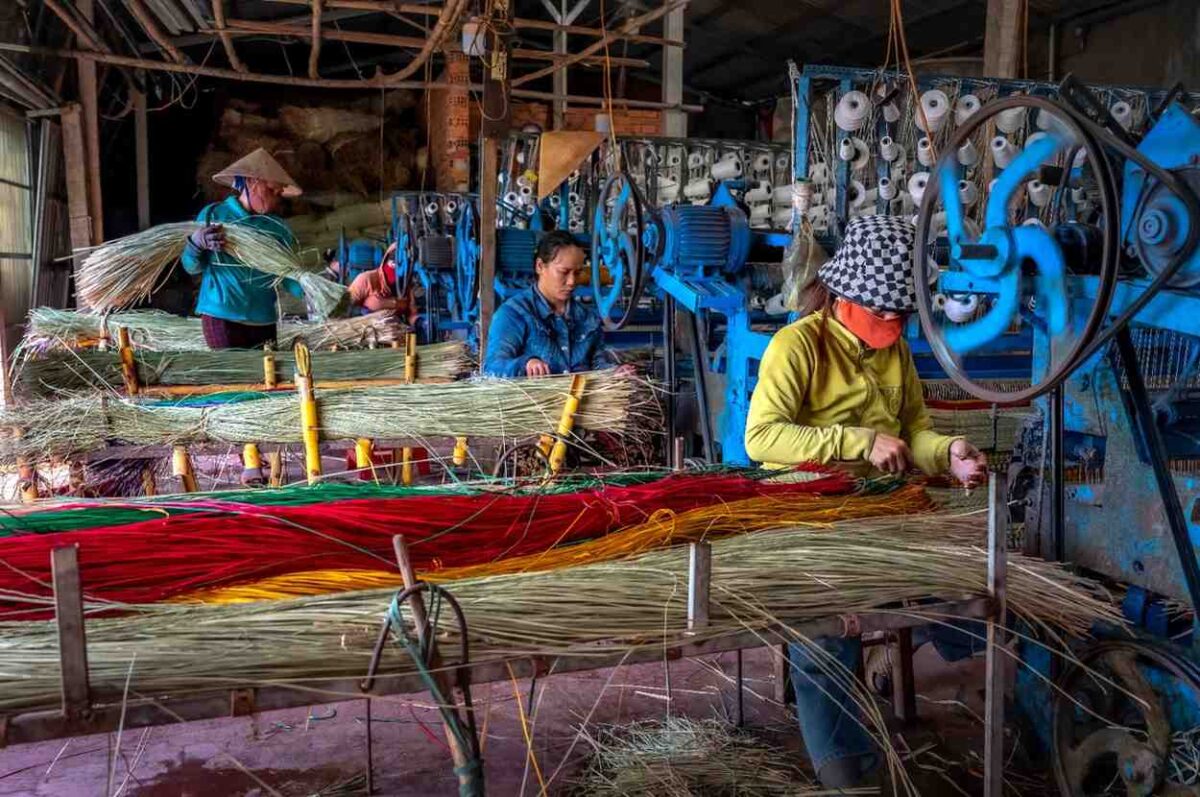
Vocational training cooperatives are creating sustainable livelihoods by combining practical skills training with cooperative business ownership. Rather than training individuals to work alone, these cooperatives prepare members to learn together, work together, and grow together.
By linking skills development with shared economic opportunities, vocational training cooperatives help communities reduce unemployment, increase incomes, and build long-term economic resilience.
Training That Leads to Real Work
Many vocational training programmes end with certificates but provide little opportunity for employment.
Vocational training cooperatives bridge this gap by teaching practical skills that can immediately be applied within cooperative businesses.
Common areas of training include:
- Agriculture
- Tailoring and fashion design
- Carpentry
- Food processing
- Construction
- Welding
- Handicrafts
Participants gain hands-on experience while preparing to earn a sustainable income.
The Cooperative Advantage
Working as a cooperative offers many benefits that individuals may struggle to achieve alone.
Members benefit from:
- Shared tools and equipment
- Lower business costs
- Access to larger markets
- Shared profits
- Democratic decision-making
- Reduced financial risk
This cooperative model creates stronger and more sustainable businesses.
Building Stronger Local Economies
Vocational training cooperatives generate positive economic impacts throughout the community.
They help to:
- Create local employment
- Keep money circulating within the community
- Support local suppliers
- Encourage entrepreneurship
- Reduce poverty
- Strengthen community resilience
As cooperatives grow, they create opportunities for more people to participate in the local economy.
Skills Beyond the Trade
Members learn more than technical skills.
Many cooperatives also provide training in:
- Business management
- Financial literacy
- Leadership
- Marketing
- Customer service
- Teamwork
These additional skills help members build successful careers and manage growing businesses.
Conclusion
Vocational training cooperatives are creating sustainable livelihoods by combining practical skills with collective ownership and shared success.
By turning training into real employment opportunities, these cooperatives strengthen local economies, reduce unemployment, and empower communities to build lasting prosperity. As more communities embrace this model, they demonstrate that sustainable development begins with skilled people working together toward shared goals.
