Growing an Audience on SINNTS TECH LTD
July 6, 2026The Impact of Neighbourhood Water Conservation Initiatives on Sustainable Living
July 7, 2026
By Saheed Olaide | CitizenPulseMedia.com
Introduction
Community-led reforestation projects are restoring ecosystems worldwide by putting ordinary people at the centre of healing degraded lands. For too long, large-scale environmental initiatives were driven from the top down, leaving the communities closest to the land with little influence over decisions.
Today, citizen-driven reforestation is transforming that approach. These initiatives empower local people with the knowledge, tools, and responsibility to restore forests, protect biodiversity, and strengthen their communities. By combining local experience with environmental science, community-led reforestation is creating lasting benefits for both people and nature.
The Power of Local Action in Reforestation
Community-led reforestation succeeds because local people understand their environment better than anyone else. They know the soil conditions, seasonal weather patterns, native tree species, and the environmental challenges unique to their region.
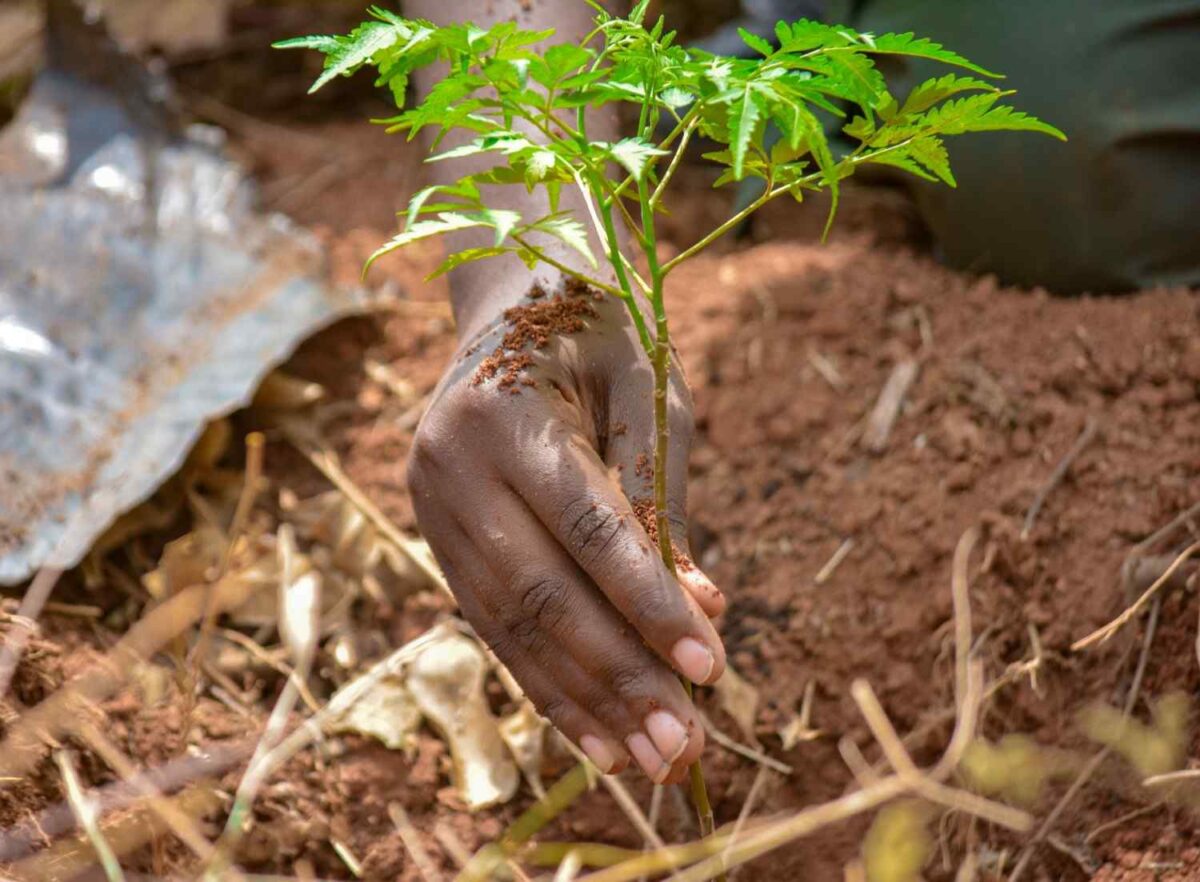
Rather than simply planting trees, these projects focus on restoring natural ecosystems, protecting water sources, improving soil health, and creating habitats for wildlife. Local participation ensures that the right trees are planted in the right places, leading to higher survival rates and healthier forests.
This combination of scientific guidance and community knowledge makes ecosystem restoration more sustainable and effective over the long term.
Real Benefits for Ecosystems and Communities
Healthy forests provide countless environmental benefits. They improve air quality, regulate water cycles, reduce soil erosion, store carbon, and support diverse plant and animal species.
Community-led reforestation projects also improve people’s lives by creating economic and social opportunities. Communities often gain access to:
- Fruit and food-producing trees
- Medicinal plants
- Sustainable fuelwood
- Eco-tourism opportunities
- Improved agricultural conditions
Beyond economic value, these projects strengthen relationships among community members. Working together to restore the environment builds trust, develops valuable skills, and creates a shared sense of responsibility for protecting natural resources.
Why Citizen Participation Creates Lasting Change
Many traditional tree-planting campaigns struggle because local communities are not fully involved. Without local ownership, newly planted trees may not receive the care they need to survive.
Community-led reforestation changes this by giving residents the responsibility to decide what to plant, where to plant it, and how to maintain the growing forest. This sense of ownership encourages long-term commitment and significantly increases project success.
Citizen participation also supports environmental awareness. Through citizen journalism, social media, and local storytelling, communities can document their progress, inspire others, and encourage wider participation in ecosystem restoration efforts.
How to Support or Start a Reforestation Project
Anyone can contribute to restoring ecosystems through community action. Here are a few practical ways to get involved:
- Join local tree-planting events.
- Support environmental organisations working in your community.
- Organise neighbourhood planting projects on suitable land.
- Partner with forestry departments or NGOs to obtain seedlings and technical guidance.
- Document your progress with photos, videos, and stories to encourage others to participate.
Small, consistent efforts often grow into large-scale environmental success when communities work together over time.
Looking Ahead
Community-led reforestation projects are restoring ecosystems worldwide because they place environmental responsibility in the hands of the people who know the land best. By combining local knowledge with collective action, these initiatives rebuild forests, protect biodiversity, and strengthen communities for future generations.
